Blog
Water damage is one of the common defect in buildings that can arise due to several reasons. While it may be considered a minor defect in the early stages, it can become severe if not treated promptly and properly. While it may be considered a minor defect in the early stages, it can become severe if not treated promptly and properly. The sources of water damage can occur from within, such as plumbing issues, or from natural causes [1]. This article provides a comprehensive understanding of water damage and offers guidance on how to address it effectively.
Common Causes of Water Damage
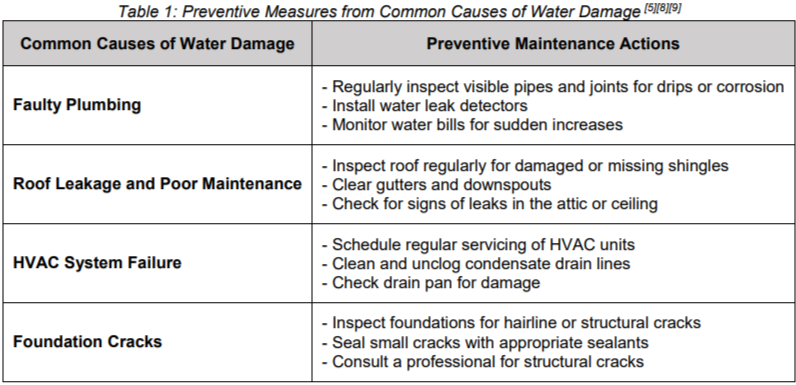
To address the issue of water damage, it is important to understand several common causes that can help us identify potential reasons for the problem. Having this basic understanding can guide us in seeking more detailed solutions. Several common causes of water damage is outlined below, but not limited to;
- Faulty Plumbing Leading to Leaks
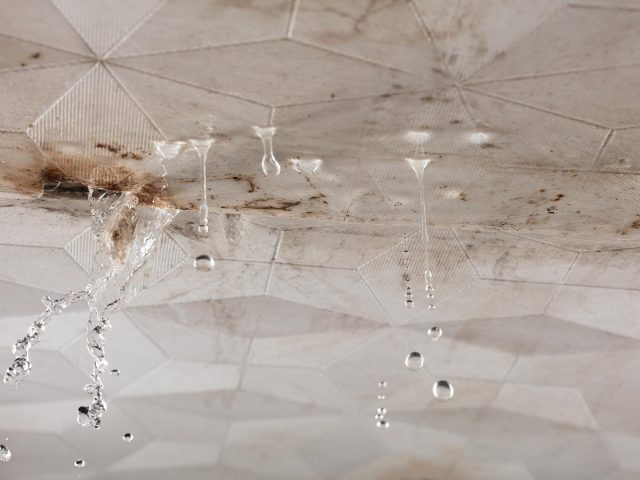
- One of the most common causes of water damage that anyone can easily detect is faulty plumbing. This can stem from burst pipes, leaking faucets, or malfunctioning water supply systems, which can cause minor water damage and in several case could turn to severe problems [2].
- One of the most common causes of water damage that anyone can easily detect is faulty plumbing. This can stem from burst pipes, leaking faucets, or malfunctioning water supply systems, which can cause minor water damage and in several case could turn to severe problems [2].
- Roof Leakage and Inadequate Maintenance
- The roof serves as first layer of protection from above. Hence, without proper maintenance, the roof may have some damaged areas that lead to water seepage when it rains. The result from this will cause mold growth, structural weakening and damage to the interior components [2].
- The roof serves as first layer of protection from above. Hence, without proper maintenance, the roof may have some damaged areas that lead to water seepage when it rains. The result from this will cause mold growth, structural weakening and damage to the interior components [2].
- HVAC System Failure
- The HVAC which mean heating, ventilation, and air conditioning is common component or equipment that is used in buildings to enhance comfort and ease in daily routines. But it also can be cause of water damage, where improperly maintain heating system and air conditioning unit can cause condensation problem or leaking from the equipment which eventually damage wall, ceiling and flooring [2].
- The HVAC which mean heating, ventilation, and air conditioning is common component or equipment that is used in buildings to enhance comfort and ease in daily routines. But it also can be cause of water damage, where improperly maintain heating system and air conditioning unit can cause condensation problem or leaking from the equipment which eventually damage wall, ceiling and flooring [2].
- Foundation Cracks
- Foundation cracks in walls or floors can occur due to various factors, from water seeps through these cracks, it can create moisture around the area which, leading to structural integrity issues [2].
- Faulty Plumbing Leading to Leaks
A good understanding of these common causes of water damage can help in identifying and addressing water damage effectively.
Early Signs of Water Damage
By being able to identify early signs of water damage, we can prevent it from escalating into major problems and issues. When we understand the common causes of how water damage occurs, recognizing the early warning signs becomes crucial. This knowledge gives us an advantage in addressing the situation promptly before it worsens.
- Visual Signs (Water Stains)
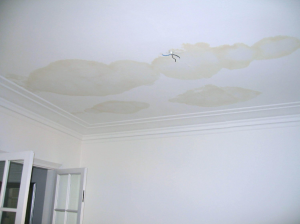
Figure 1: Yellowish Stain at the Ceiling [3]
Visual signs are one of the easiest ways to detect water damage. A common indicator is the appearance of yellowish or brownish stains on walls or ceilings [4]. These stains occur when water seeps through cracks in the exterior wall, leading to visible discoloration. These stains can help you identify the likelihood of water damage in those areas. - Wall Finish Defects
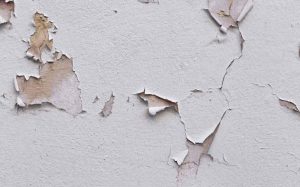
Figure 2: Peeling Paint due to Water Damage [4]
If you notice any peeling paint, paint bubbling on the wall or soggy wallpaper, as well as wet or rings on the walls, it may indicate moisture or water accumulation within the wall [5]. These signs can suggest the possibility of water damage. Hence, pay close attention to details, as addressing them promptly may help reduce the damage that could occur. - Soft or Uneven Spots in Flooring
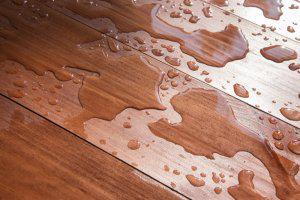
Figure 3: Damp floor [6]
If your floor feels spongy and uneven when you walk on it, you might be dealing with serious water infiltration issues. This sign is even more significant if the flooring is made from water absorbent material such as timber, plywood, or laminate. If not addressed properly, it might affect the structural integrity of the subfloor beneath the affected area. - Unpleasant Odour and Visible Mould
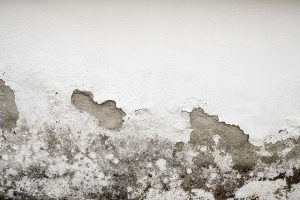
Figure 4: Peeling paint due to water damage [7]
A musty smell may indicate the presence of mould nearby. Mould can begin to form within 24 to 48 hours of water exposure. Mould thrives in damp and poorly ventilated area and may pose health risks such as reactions for some individuals. Hence, if you ever notice any unfamiliar or musty smell, there might be a high chance that it due to mould and must be addressed promptly to prevent further damage and potential health hazards.
- Visual Signs (Water Stains)
Preventive Measures