Blog
Building maintenance is the ongoing process of preserving and improving the physical condition of a structure to ensure it remains functional, safe, and aesthetically pleasing for its occupants. Whether in residential, commercial, or industrial properties, building maintenance plays a critical role in sustaining structural integrity, enhancing operational efficiency, and extending the building’s lifespan.
This process includes a wide range of tasks, from routine cleaning and inspections to major repairs such as roof leaking repair, waterproofing maintenance, PU injection, grouting, and wall crack repair. In apartments and high-rise buildings, these services are essential for preventing water leakage, seepage, and structural deterioration that often arise from poor maintenance or aging infrastructure.
Effective building maintenance is a cornerstone of professional property management, as it ensures safety, comfort, and satisfaction for residents while protecting the long-term value of the property. Regular inspections, preventive maintenance, and timely repair works carried out by qualified building repair specialists or waterproofing contractors can significantly reduce costly damages and keep apartment buildings in optimal condition for years to come.
Types of Building Maintenance
- Routine Maintenance: Scheduled preventive maintenance tasks are essential for preventing a building from deteriorating and for maintaining its functionality. Routine maintenance tasks may be completed daily, weekly, or periodically based on a set schedule. These tasks include cleaning, rubbish removal, lubricating hinges, inspecting utility systems, repainting, and weeding [2].
- Preventive Maintenance: Preventive maintenance aims to prevent damage to the building and preserve its structural integrity [1], as well as enhance the durability of the building. Preventive maintenance also includes sustainable design and construction measures to help the building withstand storms, floods, and other natural disasters.
- Corrective Maintenance Workflow: These activities are designed to restore the functionality and comfort of a building. Managers need to have a corrective maintenance strategy in place, as it is impossible to completely prevent damage or deterioration. Corrective maintenance ensure that that all systems and components are returned to working order as quickly as possible [1].
- Routine Maintenance: Scheduled preventive maintenance tasks are essential for preventing a building from deteriorating and for maintaining its functionality. Routine maintenance tasks may be completed daily, weekly, or periodically based on a set schedule. These tasks include cleaning, rubbish removal, lubricating hinges, inspecting utility systems, repainting, and weeding [2].
Common Building Maintenance Issues and Their Solutions
Building maintenance is crucial for ensuring the safety, functionality, and comfort of a property. However, buildings often face a variety of common maintenance issues that, if left unresolved, can lead to costly repairs and safety hazards. Below are some of the most frequent building maintenance problems and effective solutions to address them.
- Leaking Roofs
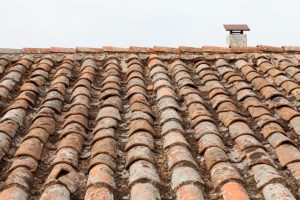
Figure 1: Cracked Roofs [4]
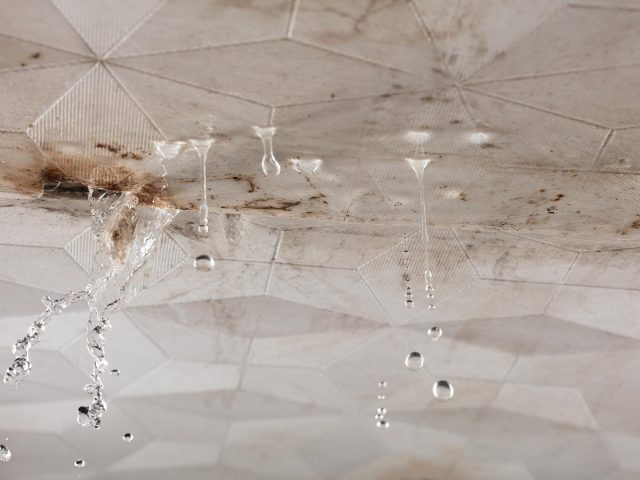
Reasons:Roof leaks are a common problem in both residential and commercial buildings, especially after severe weather conditions or due to aging materials over time. Leaky roofs can result in water damage to ceilings, walls, insulation, and even furniture, leading to mould growth and deterioration of structural integrity.
Solutions:
Regular roof maintenance is essential for long-term protection against the elements. It is recommended to have a roofing professional conduct an annual inspection, especially before and after the rainy season, to identify any potential issues. Additionally, checking and sealing any gaps in roof flashing, chimneys, or vents is important to prevent water infiltration, which could lead to leaks or further damage. If any shingles or tiles are damaged, they should be replaced promptly. Upgrading to more durable materials, such as metal roofing may also be a wise choice if the roof is nearing the end of its lifespan. Regularly cleaning gutters is also essential for maintaining proper drainage and preventing water backup, which can contribute to roof damage. Lastly, trimming overhanging branches is necessary to avoid storm-related damage to the roof. By following these steps, homeowners can significantly extend the life of their roof while protecting their property from costly water damage.
- HVAC System Failure
Reasons:The HVAC (heating, ventilation, and air conditioning) system plays a crucial role in regulating indoor climate, ensuring comfort and maintaining air quality. If neglected, systems can break down, resulting in uncomfortable temperatures or poor air quality [3].
Solutions:
Proper maintenance of an HVAC system is essential for efficient operation and a comfortable living environment. To keep the system in optimal condition, it is important to have it professionally inspected and serviced annually, which includes checking refrigerant levels, cleaning coils, and testing system components for proper function. Additionally, air filters should be replaced every 1–3 months, particularly during high-use seasons like summer and winter, to maintain efficient airflow and air quality. Periodic duct cleaning is also crucial to prevent dust buildup and ensure proper airflow throughout the system. For older or inefficient systems, upgrading to more energy-efficient models can provide long-term savings on energy bills while improving overall comfort. By staying on top of these maintenance tasks, homeowners can extend the lifespan of their HVAC systems and enjoy a more comfortable and cost-effective living space. - Plumbing Problems
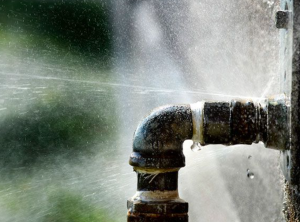 Figure 2: Rusty and Leaking Pipes [5]
Reasons:
Plumbing issues, such as rusty pipes, clogged drains, leaks, and low water pressure, are widespread in buildings. Aging plumbing systems, are particularly susceptible to corrosion, which can lead to leaks, pipe bursts, and water damage [3].Solutions:
Proper plumbing maintenance is essential for preventing costly damage and ensuring the longevity of a home’s water system. Regular inspections of pipes help identify signs of corrosion or leaks, allowing for timely repairs and preventing further issues. Scheduling drain cleanings is also important to avoid clogs caused by debris buildup that can disrupt water flow. In areas prone to freezing, such as basements or attics, insulating pipes is crucial to prevent them from bursting during cold weather. Small leaks should be addressed immediately to prevent mould growth and extensive water damage. If pipes are old and corroded, upgrading to modern materials like PVC or PEX can significantly reduce the risk of leaks and clogs, offering a more durable and efficient plumbing system. By staying proactive with maintenance and upgrades, homeowners can avoid major plumbing issues and safeguard their property from water-related damage.
- Electrical Issues
Reasons:
Electrical problems such as faulty wiring, tripped circuits, or flickering lights are not only inconvenient but can pose serious fire hazards. Aging electrical systems are especially prone to issues like power surges, overheating, and electrical shortages [3].
Solutions:
Routine inspections of a building’s electrical system are vital for ensuring safety and preventing electrical hazards. It is recommended to hire a licensed electrician for an annual inspection, which should include checking for frayed wires, damaged outlets, and overloaded circuits that could pose a risk of fire or malfunction.If the building has outdated wiring, such as knob-and-tube or aluminium wiring, it is important to replace it with modern copper wiring to meet current safety standards. Additionally, installing surge protectors is a simple but effective way to safeguard sensitive electronics and electrical equipment from damaging voltage spikes. Any faulty components, including light fixtures, outlets, and circuit breakers, should be replaced immediately to avoid the risk of electrical accidents or further damage. By addressing these issues, homeowners can ensure their electrical systems are safe, up to code, and functioning properly.
- Infrastructure Problems
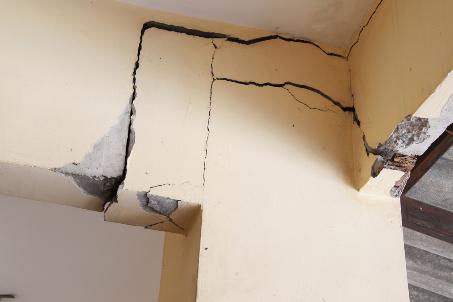
Figure 3: Cracks on the Wall and Floors [6]
Reasons:Cracked walls and floors may result from settling foundations, water damage, or structural shifts. While small cracks are often cosmetic, larger cracks indicate serious structural issues [3].
Solutions:
When cracks appear in walls or floors, it is important to assess whether they are cosmetic or indicative of a deeper structural problem. For minor cracks, patching and repainting might be sufficient to restore their appearance. However, larger cracks may signal foundation issues, in which case it is advisable to consult a structural engineer.
For smaller cracks, sealing with filler or caulk can help prevent further damage, and it’s important to regularly monitor the area for new cracks, which could indicate shifting in the building’s foundation. . If foundation settlement is a concern, methods such as slab jacking or installing piers may be necessary to stabilize the structure and prevent further damage. Addressing these issues promptly can help maintain the building’s structural integrity and prevent costly repairs down the line.
- Poor Drainage or Water Damage

Figure 4: Poor Drainage [7]
Reasons:Poor drainage around the building can cause water to pool near the foundation, leading to erosion, flooding, or water damage. Over time, this can weaken the building’s foundation and promote the growth of mould.
Solutions:
To address poor drainage and prevent water damage, several key measures should be taken. First, improving yard grading is essential. Ensuring that the land around your home slopes away from the foundation helps direct water away, preventing it from pooling near the structure. If water is seeping into the basement, waterproofing the foundation and repairing any cracks or leaks can effectively block moisture from entering. Additionally, enhancing your gutter and downspout systems is crucial for managing rainfall. Regularly cleaning and maintaining gutters keeps them free of debris, while ensuring downspouts direct water at least 5-10 feet away from your home prevents water from accumulating near the foundation. By implementing these solutions, homeowners can significantly reduce the risk of water damage and maintain the structural integrity of their property.
- Leaking Roofs