Blog
Water leaks are more than a mere nuisance, they are a silent threat that can compromise your home, health, and finances. Ignoring that persistent drip, damp spot on the ceiling, or minor wall seepage can trigger a cascade of problems, ranging from serious health risks to costly structural damage. Homeowners in Malaysia often delay addressing leaks due to their seemingly small scale, but this procrastination can result in escalating issues such as roof leaking, toilet leaking, wall cracks, or balcony repair needs. Engaging waterproofing specialists, repair specialists, or contractors early for water leaking repair, waterproofing repair, PU injection, or grouting can prevent these problems from becoming expensive and hazardous.
RISKS AND CONSEQUENCES OF WATER LEAKS
1. Mould and Mildew Growth
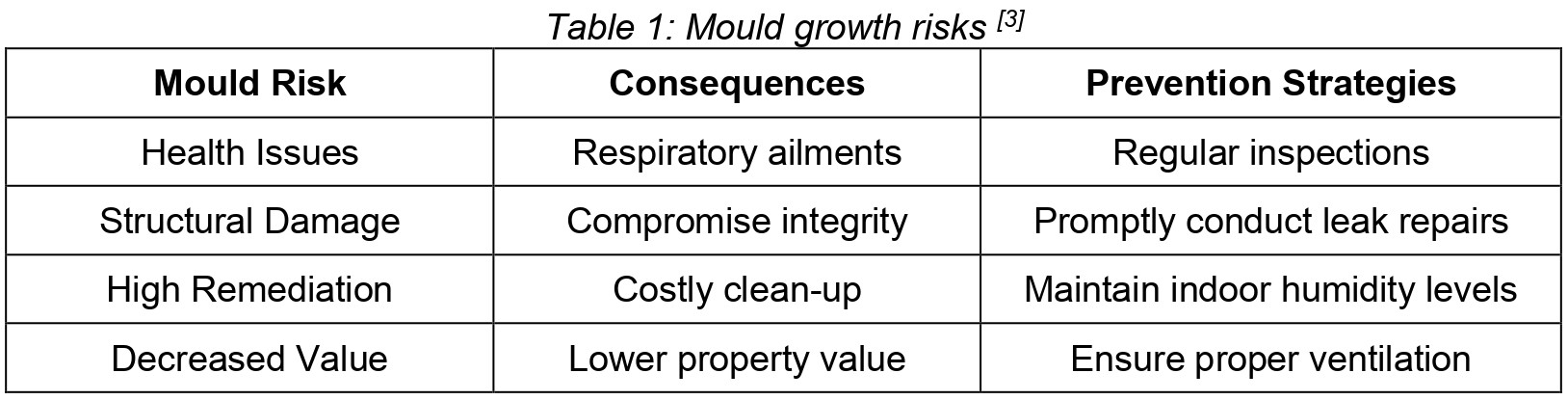
One of the most immediate dangers of water leaks is their impact on human health. Persistent moisture creates an ideal environment for mould and mildew growth. They can grow within 24-48 hours of water damage. They release spores that can trigger respiratory problems such as asthma, allergies and chronic sinus infections. Prolonged exposure to mould and mildew can lead to chronic illness or even death. Individuals with pre-existing respiratory conditions such as asthma are a potential that have a higher risk of experiencing adverse health effects from mould and mildew exposure [1]. In severe cases, toxic black mould (Stachybotrys) can develop and producing harmful mycotoxins that may lead to neurological symptoms and long-term health complications. Figure below shows the image of mould and mildew growth. Regular inspections and early water leaking repair are essential to prevent these risks. Table below shows the mould growth risks.
2. Bacterial Contamination
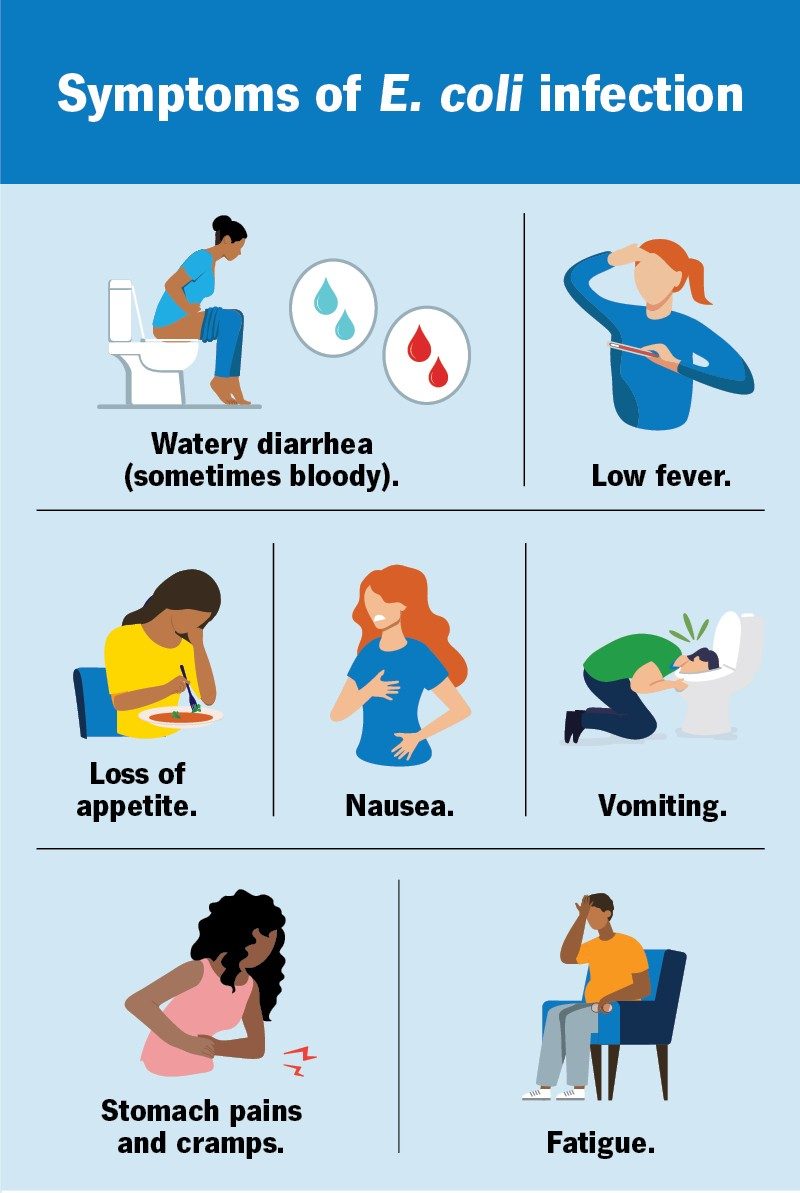
Another critical health concern is bacterial contamination. Leaks can contaminate your water supply with harmful bacteria such as E. coli and Legionella. Escherichia coli (E. coli) is bacteria that normally live in the intestines of healthy people and animals [4]. Most types of E. coli are harmless or cause relatively brief diarrhea. Legionella is a serious type of pneumonia. It’s usually developed 2 to 14 days after exposure to Legionella bacteria [5]. It’s treatable with antibiotics. Ingesting or inhaling contaminated water can lead to gastrointestinal illnesses, respiratory infections and other health complications [6]. Figure below shows the symptoms of E. coli infection.
3. Structural Damage
• Weakened Foundations
Continuous water exposure can weaken the foundation material, causing it to crack and shift. Water also expands when it freezes, leading to cracks in foundation. Over time, it can widen and compromise the structural integrity. Saturated soil can lose its bearing capacity, causing foundation parts to settle unevenly. This can lead to differential settlement, which may cause significant structural damage. Water seepage can lead to soil erosion, hydrostatic pressure and soil expansion which can cause the foundation to shift. This can lead to uneven flooring, cracked walls and other structural problems.
• Drywall and Ceiling Damage
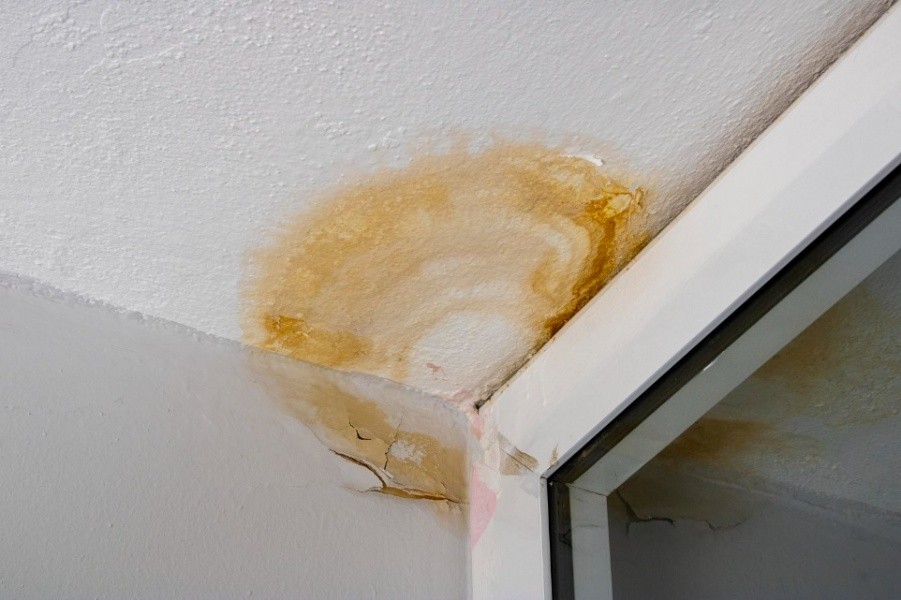
Neglecting water leaks can lead to several drywall ceiling damage that escalates from cosmetic issues to structural hazards. Initially, water infiltration presence as unsightly stains and discoloration, with yellow or brown patches appearing on surfaces. As moisture penetrates deeper, the drywall begins to soften and warp, losing its structural integrity and becoming prone to crumble. Prolonged exposure causes more severe consequences like ceiling become saggy or collapse. Behind the scenes, persistent dampness fosters toxic mould growth within wall cavities which not only degrades building materials but also creates health risks through airborne spores.