Blog
Introduction
Water damage is one of the most expensive and disruptive problems a property owner can face. In fact, waterproofing failures consistently rank among the top causes of building defects worldwide, often resulting in structural deterioration, mould infestation, and costly repairs. Imagine noticing a small patch of dampness on your wall, then discovering months later that the moisture has spread behind the surface, weakening concrete, rusting steel reinforcement, and damaging finishes throughout your home. This is the silent but severe impact of waterproofing failure.
While waterproofing acts as a critical barrier that protects buildings from water intrusion, failure can occur for many reasons. Understanding these causes is essential to preventing long-term damage. This article explores why waterproofing systems fail, the warning signs to look for, and the preventive steps to keep your building protected.
WHY WATERPROOFING IS ESSENTIAL
Waterproofing is an integral part of building construction, serving as the first line of defence against water penetration. It protects foundations, basements, roofs, bathrooms, balconies, and external walls from moisture infiltration. A well-installed waterproofing system prevents mould growth, corrosion of reinforcement bars, deterioration of concrete, and weakening of structural elements [1]. Without proper waterproofing, even structurally sound buildings can experience premature degradation.
Effective waterproofing ensures long-term durability, indoor comfort, and safety. It also helps maintain property value by preventing moisture-related damage that would otherwise require extensive restoration.
When waterproofing fails, water can infiltrate building components, leading to a host of problems such as spalling concrete, blistering paint, timber rot, mould, mildew, and unhealthy indoor air quality [2]. In severe cases, water penetration can weaken structural elements, leading to safety hazards and expensive reconstruction. Waterproofing failure is not merely an inconvenience, it is a significant threat to structural integrity and occupant wellbeing.
COMMON CAUSES OF WATERPROOFING FAILURES
a. Poor Installation
Poor installation is one of the most frequently cited causes of waterproofing failure. Inadequate surface preparation, improper application of waterproofing materials, and failure to follow manufacturer guidelines all contribute to premature deterioration [3]. Installers who lack experience or proper training often overlook critical details such as priming surfaces, sealing joints, or ensuring correct membrane thickness.
For instance, improperly lapped membranes, insufficient curing time, or contamination of the substrate can compromise the waterproofing barrier [4]. Once the membrane fails, even a small crack or gap can allow water to seep through, resulting in extensive internal damage.
b. Aging and Wear
All waterproofing systems eventually degrade due to natural aging. Exposure to sunlight, UV radiation, temperature fluctuations, and weather conditions can cause membranes to crack, shrink, or lose elasticity [5]. Over time, waterproofing materials become brittle or worn, especially on roofs, balconies, and external walls subjected to continuous environmental stress.
As the materials deteriorate, their waterproofing performance diminishes, allowing water to penetrate the substrate. Without timely maintenance or replacement, these aging systems can lead to widespread leaks and internal moisture issues.
c. Improper Maintenance
Even correctly installed waterproofing requires ongoing maintenance. Neglecting regular inspections allows small issues to go unnoticed, such as tiny cracks, clogged drainage points, and damaged sealants, which eventually escalate into major failures [6]. Many property owners assume that waterproofing is a “set-and-forget” component, but like all building systems, it needs periodic evaluation.
Failure to maintain gutters, rooftop drainage, or waterproofing membranes can cause water to pool and create hydrostatic pressure. This pressure forces water through weak spots, seams, or cracks, accelerating waterproofing failure.
d. Design Issues
Sometimes the problem originates from the design stage. Poor design choices, such as inadequate drainage slopes, incorrect material selection, poorly placed joints, or lack of waterproofing continuity, can create vulnerabilities [7]. A waterproofing system is only as good as the design that supports it. Roofs, balconies, and wet areas must be designed with proper gradients, drainage channels, and detailing.
Additionally, designs must consider local climate conditions. Materials suitable for dry climates may fail quickly in humid or high-rainfall environments if not selected properly [1].
e. External Factors
External factors can also contribute to waterproofing failures. Buildings naturally settle over time, and movement caused by soil shifting, earthquakes, or heavy loads can create cracks that compromise waterproofing layers [8]. Excessive water pressure, especially in basements or retaining walls, can overwhelm waterproofing barriers, pushing water through microscopic gaps.
On roofs, heavy rainfall, strong winds, or debris accumulation can cause mechanical damage or puncture membranes [9]. When waterproofing layers are subjected to forces beyond their design capacity, failures are almost inevitable.
SIGNS OF WATERPROOFING FAILURE
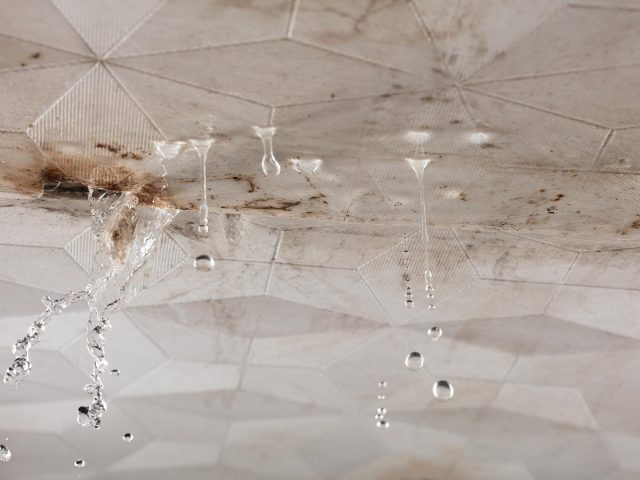
Early identification of waterproofing issues can save thousands of dollars in repair costs. Common warning signs include water stains on ceilings, walls, or floors; mould or mildew in corners, bathrooms, basements, or roof spaces; musty or damp smells that indicate hidden moisture; blistering paint or swollen skirting boards caused by moisture behind walls; cracks or bubbles on waterproofing membranes or coatings; and efflorescence, a white powdery substance on concrete or brick surfaces. These symptoms suggest that water is penetrating the building envelope, and immediate action is required.
CONSEQUENCES OF DELAYING REPAIRS
Delaying repairs can transform small, manageable issues into costly structural problems. Water infiltration tends to spread, especially within concrete, rendering hidden damage far more severe than what appears on the surface [10]. Moisture trapped within the structure can cause corrosion, concrete spalling, electrical hazards, or long-term mould infestation, creating health risks for occupants. Timely intervention not only prevents further deterioration but also reduces repair costs drastically.
PREVENTIVE MEASURES AND SOLUTIONS
a. Regular Inspections
Routine inspections are essential to maintaining a healthy waterproofing system. Regular checks, especially during rainy seasons, help detect early signs of wear, cracks, or sealant deterioration. These inspections should include roofs, bathrooms, balconies, basements, and external walls. Addressing minor issues promptly prevents larger failures and extends the lifespan of the waterproofing system.
b. Hiring Professionals
Waterproofing is a specialized task that requires skilled installers familiar with building structures, material behaviour, and manufacturer specifications. Hiring certified professionals ensures proper installation, thorough surface preparation, and the correct application techniques. Expert technicians can also recommend the most suitable waterproofing method based on the building’s needs.
c. High-Quality Materials
Using high-quality waterproofing materials is critical to ensuring long-lasting protection. Lower-grade products may be cheaper, but they often fail faster, especially under harsh weather conditions. High-quality membranes, coatings, and sealants offer superior adhesion, elasticity, and durability.
Selecting materials appropriate for the specific application, whether for roofs, basements, bathrooms, or retaining walls, guarantees optimal performance.
d. Upgrading Systems
Older buildings often rely on outdated waterproofing systems that may no longer be effective. Upgrading these systems enhances protection and improves the building’s lifespan. Modern materials offer superior flexibility, chemical resistance, and UV stability, making them an excellent option for refurbishment projects.
INNOVATIVE SOLUTIONS
Technological advancements have led to the development of new waterproofing solutions that enhance longevity and performance. These include advanced liquid membranes, high-elasticity thermoplastic membranes, self-adhering bituminous sheets, and injection-based waterproofing systems for cracks and joints. Incorporating innovative materials increases durability and reduces long-term maintenance requirements.
Conclusion
Waterproofing failures occur due to various factors, including poor installation, aging materials, improper maintenance, flawed design, and external environmental pressures. Recognizing these causes and understanding the early warning signs can help property owners act promptly and avoid expensive repairs.
Investing in high-quality waterproofing systems, performing regular inspections, and hiring experienced professionals are the best ways to ensure your building remains protected. Waterproofing may seem like a background component of construction, but when it fails, the consequences are costly and damaging. A proactive approach will safeguard your property, enhance durability, and maintain long-term structural integrity.
References
[1] RLAPolymers. (n.d.). 8 Common Causes of Waterproofing Failure. Retrieved on 23rd May 2025 from https://www.rlapolymers.com.au/common-causes-of-waterproofing-failure/
[2] Tremco CPG Asia Pacific. (2024). Top 3 Reasons for Waterproofing Failures. Retrieved on 23rd May 2025 from https://www.tremcocpg-asiapacific.com/blog/top-3-reasons-for-waterproofing-failures/
[3] Projex Group. (n.d.). The 3 Main Causes of Failure in Waterproofing. Retrieved on 23rd May 2025 from https://projex.com.au/blog/the-3-main-causes-of-failure-in-waterproofing/
[4] Tremco Construction Products Group. (2020). Common Problems Associated with Poor Waterproofing. Retrieved on 23rd May 2025 from https://www.tremcocpg-asiapacific.com/blog/common-problems-poor-waterproofing/
[5] Markham Global. (2023). Challenges: Waterproofing Membrane Failure. Retrieved on 23rd May 2025 from https://markhamglobal.com/news/challenges-waterproofing-membrane-failure/
[6] AQVIZ. (n.d.). 11 Reasons for Waterproofing Failure in Construction: Causes and Damages. Retrieved on 23rd May 2025 from https://aqviz.com/waterproofing/failures/
[7] Forst Consulting. (n.d.). Analyzing Roofing and Waterproofing Failures: A Forensic Investigator’s Perspective. Retrieved on 23rd May 2025 from https://forstconsultingllc.com/construction-practices/roofing-waterproofing-failures-forensic-investigators/
[8] WBDG. (n.d.). Integrity testing for roofing and waterproofing membranes. Retrieved on 23rd May 2025 from https://www.wbdg.org/resources/integrity-testing-roofing-and-waterproofing-membranes/
[9] Rhino Linings. (n.d.). 5 Roof Waterproofing Issues that Should Never Be Ignored. Retrieved on 23rd May 2025 from https://www.rhinolinings.co.za/5-roof-waterproofing-problems/
[10] iProperty. (2021). Water leakage in flat roofs: What is the cause and how to prevent it with proper waterproofing? Retrieved on 23rd May 2025 from https://www.iproperty.com.my/guides/water-leak-flat-roof-what-is-the-cause-and-how-to-prevent-waterproofing-70059/
Categories
Archives
- December 2025
- November 2025
- October 2025
- September 2025
- August 2025
- July 2025
- June 2025
- May 2025
- April 2025
- March 2025
- February 2025
- January 2025
- December 2024
- November 2024
- October 2024
- September 2024
- August 2024
- July 2024
- June 2024
- May 2024
- April 2024
- March 2024
- February 2024
- January 2024
- December 2023
- November 2023
- October 2023
- September 2023
- August 2023
- July 2023
- June 2023
- May 2023
- April 2023
- March 2023
- February 2023
- January 2023
- December 2022
- November 2022
- October 2022
- September 2022
- August 2022
- July 2022
- June 2022
- May 2022
- April 2022
- March 2022
- February 2022
- January 2022
- December 2021
- November 2021
- October 2021
- September 2021
- August 2021
- July 2021
- June 2021
- May 2021
- April 2021
- March 2021
- February 2021
- January 2021
- December 2020
- November 2020
- October 2020
- September 2020
- August 2020
- July 2020
- June 2020