Blog
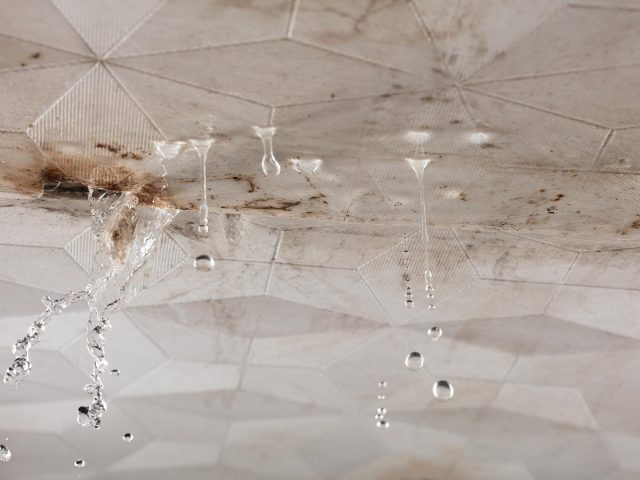
Water leakage is a common issue in buildings that can lead to structural damage, mould growth, and costly repairs. Proper waterproofing is essential to prevent water ingress and protect a building’s structural integrity. This article explores the importance of waterproofing, different methods used, and best practices to ensure leak-free building.
What is Waterproofing?
Waterproofing is the process of applying treatment to surface or structure to create a barriers prevents the water from passing through, especially under hydrostatic pressure. It involves applying special materials and techniques to surfaces that have frequently exposed to water such as foundations, roof, and walls. Lack of proper waterproofing in your home can lead to severe property damage such as water seepage and dampness [1].
Why Waterproofing is Important?
Water can be surprisingly destructive, and waterproofing is crucial as it helps to:
- Prevent Structural Damage – Water can weaken concrete over time, cause steel reinforcements to rust, and lead to cracks in walls and foundations. If left unchecked, this can compromise the stability of the entire building.
- Reduce Costly Repairs – Repairing water damage is far more expensive than preventing it in the first place. Water leaks can damage ceilings, walls, flooring, and even furniture, leading to high maintenance costs over time.
- Prevent Mold and Mildew Growth – Damp environment encourage the growth of mold, mildew, and bacteria. These not only cause unpleasant odours, but also lead to respiratory issues, allergies, and other health problems.
- Enhances Comfort and Safety – A well waterproofed helps prevent water stains, paint peeling, and damp spots. It also eliminates hazards such as slippery floors, creating a safer and more comfortable living or working space.
- Prevent Structural Damage – Water can weaken concrete over time, cause steel reinforcements to rust, and lead to cracks in walls and foundations. If left unchecked, this can compromise the stability of the entire building.
Common Waterproofed Area
Different parts of a building require specific waterproofing solutions to protect against water damage and ensure long term durability. Here are common areas that need waterproofing:
- Roofs – Roof are continuously exposed to extreme weather conditions, which can lead to deterioration over time. Flat roofs are especially prone to water pooling, which can lead to leaks if not properly sealed. Sloped roofs also need waterproof membranes to prevent water from seeping through joints and cracks [2].
- External Walls – Rain and humidity can infiltrate external walls, leading to dampness, paint blistering, and cracks. To prevent this issues, weather-resistant coatings and sealants should be applied to helps protect walls from long-term water damage [3].
- Bathrooms and Kitchens – These areas are frequently exposed to water from showers, sinks, and cooking activities. Without adequate waterproofing, water can seep into walls and floors, leading to mould, stains, and damage to adjacent rooms. Properly applied waterproof coatings and sealed joints help keep these areas dry [3].
- Balconies and Terraces – Constant exposure to rain, wind, and sunlight, balconies and terraces need strong waterproofing layers to prevent cracks, leaks, and deterioration due to weather conditions. Water-resistant tiles, drainage systems, and protective coatings are essential.
By ensuring these areas are properly waterproofed, you can prevent leaks, improve durability, and maintain a safe and comfortable building environment.
Types of Common Waterproofing Used
- Bituminous Membrane
Bitumen, a sticky, black, and highly viscous form of petroleum, is widely used in construction for its excellent waterproofing capabilities. Derived from crude oil distillation, it is available in various forms, including bituminous membranes, which come in different application methods such as torch-applied, self-adhered, mechanically fixed, and hot or cold application. These waterproofing solutions provide effective protection across multiple applications, preventing damage during deck finish installations while also resisting penetration from abrasive backfilling materials [4].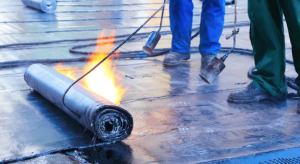
Figure 1: Bitumen Sheet Membrane [5] - Cementitious Waterproofing
Cementitious waterproofing is a widely used waterproofing solution. It features a cement-based polymer coating that provides effective moisture protection for concrete structures, including walls and floors, often in the form of epoxy or latex mixture. This method enhances durability and strength in concrete construction. However, cementitious waterproof coatings can be sensitive to temperature fluctuations, particularly when exposed to water expansion and contraction. Unlike sodium bentonite sealants, they may not effectively seal joints, making structures vulnerable to water penetration through cracks and gaps [4].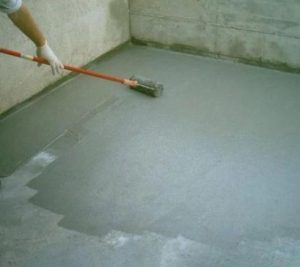
Figure 2: Cementitious Waterproofing [6] - Elastomeric Waterproofing Coating
Instead of relying on a specially mixed cement to form a waterproof barrier, elastomeric waterproofing utilises a flexible, rubber-like liquid. When applied in one or two coats, it cures into a thin, stretchable rubber membrane. Unlike cement, this layer remains highly elastic, making it ideal for outdoor waterproofing. It can expand by up to 280% under intense sunlight, ensuring durability in harsh conditions. The liquid can be applied using a roller, trowel, or spray, making it particularly effective for waterproofing roofs [7].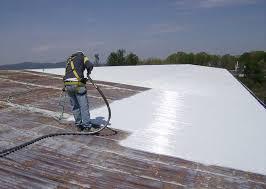
Figure 3: Roof Coatings [8] - Polyurethane Membrane
Commonly used for flat roof waterproofing, polyurethane is an excellent choice for construction due to its superior water and humidity resistance. In addition to providing strong protection, polyurethane membranes also offer impressive UV resistance, making them highly durable in outdoor conditions. However, despite its flexibility, polyurethane waterproofing comes at a higher cost. Additionally, it is sensitive to moisture, requiring careful monitoring of surface moisture levels during application. Failure to do so may result in peeling or deterioration of the membrane over time.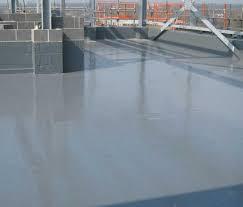
Figure 4: Polyurethane Odorless Waterproofing Coating [9] - Sodium Bentonite Sealant
Sodium bentonite products are highly effective as sealants in concrete construction due to their ability to expand upon contact with water. This swelling action helps create a tight seal, making them ideal for preventing water infiltration in critical areas such as construction joints. In cast-in-place concrete projects, joints are particularly vulnerable to water penetration, which can lead to structural damage over time. By using sodium bentonite sealants, these joints gain an added layer of protection, as the expanding material fills gaps and cracks, preventing leaks. Its self-sealing properties make it a reliable choice for below-grade structures, tunnels, and water-retaining systems.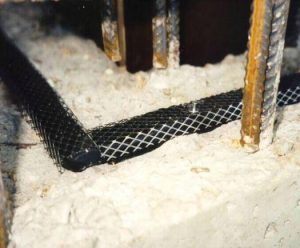
Figure 5: RIW Waterstop – Sodium Bentonite Water Stop [10]
- Bituminous Membrane
How to Prevent Leaks in Building?
Water leaks can lead to costly repairs and structural damage, but proper waterproofing measures can help keep a building dry and long-lasting. Here are some key strategies to prevent water infiltration:
- Apply Waterproof Sealants – Choose high-quality waterproofing products, such as bituminous membranes, sealant, or liquid-applied coatings. The right material depends on the area being treated, whether it’s a roof or wet area [9].
- Ensure Proper Drainage Systems – Effective drainage systems help prevent water buildup, especially in areas with heavy rainfall. Regular inspections and cleaning are essential to avoid blockages and ensure water is directed away from the building’s foundation.
- Conduct Regular Maintenance and Inspections – Water damage gets worse the longer it goes unnoticed, so it’s important to identify the leaks and other issues early. A self-inspection checklist can help by covering both the inside and outside of the building, with clear schedules and assigned responsibilities. Focus on checking vulnerable areas like ceilings, plumbing, and pipes to spot potential problems.
- Seal Cracks and Gaps – Even small cracks in walls, floors, or joints can allow water infiltration over time. Regularly inspect and seal these openings using appropriate waterproofing compounds to prevent moisture from seeping in.
- Apply Waterproof Sealants – Choose high-quality waterproofing products, such as bituminous membranes, sealant, or liquid-applied coatings. The right material depends on the area being treated, whether it’s a roof or wet area [9].
By following these preventives measures, your building can remain dry, safe, and structurally sound, reducing the risk of water damage and costly repairs.