Blog
Introduction
Waterproofing is one of the most important aspects of construction and building maintenance, particularly in areas constantly exposed to moisture, such as bathrooms, kitchens, balconies, and basements. While water may seem harmless on the surface, prolonged exposure can lead to significant structural damage, unsightly finishes, and even health concerns related to mould and mildew. In many cases, the first line of defence against water infiltration is not the tile itself but rather the material that binds those tiles together, which is grouting. Often overlooked as a finishing touch, grout plays a far more vital role than simply making tiled surfaces look neat. It seals gaps, blocks water from reaching the underlying structure, and helps ensure the durability and safety of the entire installation. In addition, it helps prevent mould and mildew growth as well as preserving grout and tile integrity [1]. For homeowners, property managers, and contractors, appreciating what grout is and why it matters can prevent costly repairs and prolong the lifespan of tiled surfaces.
WHAT IS GROUT AND HOW DOES IT WORK?
At its simplest, grout is a dense material designed to fill the gaps between tiles, hardening into a protective seal once cured. It provides a continuous surface that not only bonds tiles together but also prevents moisture and dirt from seeping into the spaces between [2]. The appearance of grout lines may give a tiled floor or wall that has the finished, uniform look, but beneath that visual contribution lies its real value, which is water resistance.
Different types of grout exist to serve different needs. The most common form is cement-based grout, which is affordable, widely available, and easy to apply. It is a staple in residential tiling projects, though its natural porosity means it must be sealed to prevent water absorption [3]. In contrast, epoxy grout is almost entirely non-porous and offers high resistance to stains, chemicals, and water, making it the preferred choice for high-moisture areas such as showers, steam rooms, and swimming pools [4]. Although more expensive and slightly more complex to install, epoxy grout’s durability often offsets the initial cost. A newer option, urethane grout, has been developed to combine flexibility with strength, helping tiled installations withstand minor shifts and movements without cracking [5]. It is also easier to use because it comes pre-mixed, though it is less common than its cement and epoxy counterparts.
The choice of grout depends largely on the environment and performance expectations. For instance, a living room tiled floor might only need the affordability and practicality of cement-based grout, while a commercial kitchen that endures constant spills and cleaning chemicals benefits more from epoxy [6]. In each case, the unifying purpose of grout remains the same: to protect the surface beneath the tiles from moisture intrusion and to maintain the integrity of the tiled system.
THE ROLE OF GROUT IN WATERPROOFING
Although tiles themselves are water-resistant, they cannot stop water from finding its way through the small joints between them. These tiny spaces act as natural entry points for moisture unless they are properly sealed. Grout is the material that closes those gaps, effectively forming a watertight barrier across the entire tiled surface [7]. Without it, even the most expensive tiles and adhesives would eventually succumb to water damage.
The consequences of failing to grout correctly are numerous. Water that seeps below tiles can loosen adhesives and cause tiles to detach or “pop” away from the surface [8]. It can penetrate the substrate, whether concrete, backer board, or wood and cause deterioration that compromises the strength of the structure itself. Damp conditions hidden beneath tiles also create an environment where mould and mildew thrive, raising both maintenance concerns and potential health risks [9]. Even on the surface, poor grouting leads to discoloured joints, salt deposits, and a generally unkempt appearance [10]. By contrast, a well-grouted surface ensures that moisture is blocked at the earliest point of contact, preventing both functional and aesthetic problems.
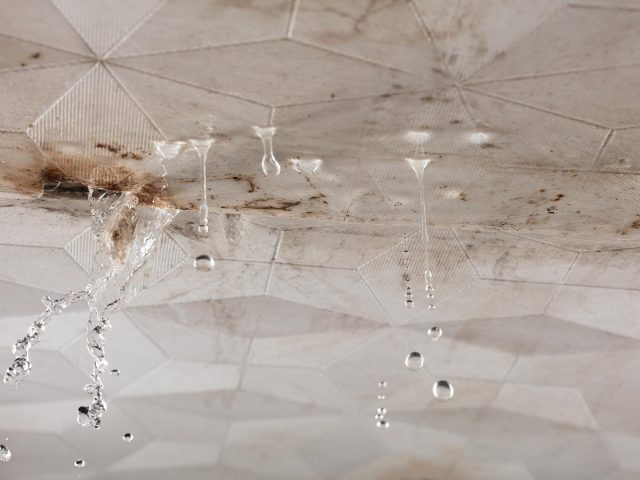
Bathrooms and kitchens are the most common areas where the value of grout becomes evident. A leaking shower floor, for example, may not immediately show signs of damage, but over time it can create water stains on ceilings below, rot wooden structures, and cause tiles to shift [1]. Properly grouted and sealed joints provide a reliable barrier against such damage, ensuring that waterproofing measures remain intact and that the tiled surfaces retain their strength and appeal.
COMMON GROUTING PROBLEMS AND MAINTENANCE
Despite its importance, grout is not invincible. Over time, it can develop problems that compromise waterproofing performance. One of the most frequent issues is cracking, often caused by natural building movement, poor mixing, or insufficient curing [10]. Once a crack forms, water has a direct pathway into the substrate. Another common problem is efflorescence, a chalky white residue that appears when salts within the grout are carried to the surface by moisture migration. While not structurally damaging, efflorescence is unsightly and indicates that water is present where it should not be. Discoloration is another concern, particularly with lighter grout lines, as exposure to dirt, soap, and everyday use can leave them stained and unattractive [2].
Shrinkage can also occur if grout has been improperly applied or mixed with too much water, leaving small gaps as it cures [8]. These gaps reduce the effectiveness of the waterproofing system and often lead to early deterioration. Fortunately, most of these problems can be managed or prevented through proper application and maintenance. Cleaning grout regularly with mild solutions helps to prevent mould buildup and staining, while sealing cement-based grout provides an added layer of protection against moisture [5]. In high-moisture areas such as bathrooms, resealing once or twice a year is recommended to maintain performance.
When grout becomes too damaged to repair, regrouting is the best option. This involves removing old grout and replacing it with a fresh application, essentially renewing the waterproofing layer [7]. Although regrouting requires time and effort, it is far less costly than repairing water-damaged structures. For both homeowners and professionals, regular inspection and timely maintenance of grout lines can prevent small issues from escalating into major problems.
INNOVATIONS AND THE FUTURE OF GROUTING
Advancements in building materials have significantly improved the performance and versatility of grout. Modern epoxy grouts are more user-friendly than earlier versions, allowing homeowners as well as contractors to benefit from their water-resistant and stain-proof properties [4]. Many grout products today also include antimicrobial additives, preventing the growth of mould and mildew even in persistently damp environments [10]. These innovations not only enhance waterproofing but also contribute to healthier indoor spaces.
Another notable development is the rise of flexible and pre-mixed grouts, which reduce the likelihood of cracking caused by structural shifts [5]. Manufacturers are also responding to increasing demand for environmentally responsible products by creating eco-friendly grout formulations that incorporate recycled materials and emit fewer volatile organic compounds [6]. Such grouts align with sustainable construction practices without compromising performance.
Aesthetic options have also expanded. Grouts are now available in a wide variety of colours and finishes, including metallic or glitter-infused styles, allowing designers and homeowners to achieve both functional and decorative goals [2]. This blending of performance with design means grout is no longer viewed merely as a filler, but as an integral part of both waterproofing systems and interior aesthetics. Looking further ahead, the construction industry is exploring ways to combine traditional grout with smart technologies, such as sensors that can detect moisture levels, providing an early warning system for leaks and improving long-term building maintenance [6].
Conclusion
Grout may appear to be a minor detail in tiled surfaces, but it is in fact one of the most critical components of effective waterproofing. By filling the spaces between tiles and creating a continuous, sealed surface, it protects adhesives, substrates, and structural elements from water damage. It also prevents the growth of mould and mildew, maintains the appearance of tiled installations, and supports the overall durability of buildings.
The performance of grout depends on several factors, including the type chosen, the quality of installation, and the commitment to regular maintenance. Cement-based grout may be the most common, but epoxy and urethane grouts provide superior performance in high-moisture environments [5]. Regardless of type, sealing, cleaning, and periodic inspections are essential to ensure grout continues to perform its function over time. With ongoing innovations in formulations and applications, grout is becoming stronger, more flexible, and more sustainable, giving property owners and professionals better tools to achieve long-lasting waterproofing solutions [6].
Ultimately, investing in proper grouting is not simply about finishing a tiled surface neatly. It is about safeguarding the integrity of a building, avoiding expensive repairs, and ensuring that spaces exposed to water remain both functional and beautiful for years to come. For anyone involved in construction or property care, recognising the role of grout is a simple yet powerful step toward building resilience against water damage.
References
[1] Fraser Coast Waterproofing. (2023). Things You Should Know about Waterproofing under Tile. Retrieved on 19th December 2024 from https://www.frasercoastwaterproofing.com/things-you-should-know-about-waterproofing-under-tile/
[2] Volare Tiles & Flooring. (2022). A Guide to Tile Grout. Retrieved on 19th December 2024 from https://volare.com.au/resources/a-guide-to-tile-grout/
[3] Al Amana Supplies. (n.d.). Quality tile adhesive: Why it matters. Retrieved on 19th December 2024 from https://www.alamanasupplies.com/blog-quality-tile-adhesive.php/
[4] Epoxy Tile Grout. (2023). The Benefits of tile grouting. LinkedIn. Retrieved on 19th December 2024 from https://www.linkedin.com/pulse/benefits-tile-grouting-epoxytilegrout/
[5] Blok. (2024). Learn Everything About Waterproof Tile Grout. Retrieved on 19th December 2024 from https://www.blok.com.br/en/blog/waterproof-tile-grout/
[6] Sika GCC. (2023). Tile grout. Retrieved on 19th December 2024 from https://gcc.sika.com/en/construction/building-finishing/tiling-system/tile-grout.html/
[7] Building Repair Malaysia. (n.d.). Floor tile grouting for toilet repair waterproofing. Retrieved on 19th December 2024 from https://buildingrepair.my/floor-tile-grouting-for-toilet-repair-waterproofing/
[8] Redwop Chemicals. (2024). Tile adhesive vs grout: What’s the difference? Retrieved on 19th December 2024 from https://www.redwop.net/tile-adhesive-vs-grout-whats-the-difference/
[9] Elite Shower Solutions. (n.d.). Waterproofing 101: Ensuring your shower tiles last a lifetime. Retrieved on 19th December 2024 from https://eliteshowersolutions.com.au/waterproofing-101-ensuring-your-shower-tiles-last-a-lifetime/
[10] Tiles & Trims UK. (n.d.). Common grouting problems and their solutions. Retrieved on 19th December 2024 from https://tilesandtrims.co.uk/blogs/blog/common-grouting-problems-and-their-solutions/
Categories
Archives
- December 2025
- November 2025
- October 2025
- September 2025
- August 2025
- July 2025
- June 2025
- May 2025
- April 2025
- March 2025
- February 2025
- January 2025
- December 2024
- November 2024
- October 2024
- September 2024
- August 2024
- July 2024
- June 2024
- May 2024
- April 2024
- March 2024
- February 2024
- January 2024
- December 2023
- November 2023
- October 2023
- September 2023
- August 2023
- July 2023
- June 2023
- May 2023
- April 2023
- March 2023
- February 2023
- January 2023
- December 2022
- November 2022
- October 2022
- September 2022
- August 2022
- July 2022
- June 2022
- May 2022
- April 2022
- March 2022
- February 2022
- January 2022
- December 2021
- November 2021
- October 2021
- September 2021
- August 2021
- July 2021
- June 2021
- May 2021
- April 2021
- March 2021
- February 2021
- January 2021
- December 2020
- November 2020
- October 2020
- September 2020
- August 2020
- July 2020
- June 2020