Blog
Introduction
Renting a property involves a partnership between landlords and tenants, where both parties have specific responsibilities to ensure a smooth and fair rental experience. In Malaysia, these responsibilities are typically outlined in a tenancy agreement, which is a legal document that defines each party’s duties and rights. For landlords, maintaining a safe and functional property is key, while tenants must respect the space and fulfil their obligations, like paying rent on time. A good understanding of these roles helps prevent conflicts, protects both parties and promotes a respectful relationship. This article clarifies the responsibilities of landlords and tenants in Malaysia, offering a clear guide for a positive and mutually beneficial rental experience.
Landlords Responsibilities
1. Maintenance and Repairs.
Landlords are responsible for keeping the property in a safe and liveable condition by handling major repairs and regular maintenance. This includes repairing the property’s electrical, toilet leaking, plumbing, and structural problems as well as ensuring the property conforms to safety standards. A common issue affecting both landed properties and high-rise condominiums is interfloor water leakage, often caused by plumbing or waterproofing failures in bathrooms. While tenants handle of basic maintenance, landlords are required to address major repair requests promptly to prevent further damage and ensure the tenant’s comfort and safety throughout the lease period.
2. Respecting the Tenant’s Privacy.
While landlords own the property, but they must respect the tenant’s privacy. This means they can’t enter the property without permission [1]. If they need to enter for inspections or repairs, they should provide prior notice and obtain the tenant’s consent, except when in emergencies. Respecting tenant privacy helps to foster a trusting relationship between landlords and tenants.
3. Provide a Clear and Legally Binding Tenancy Agreement.
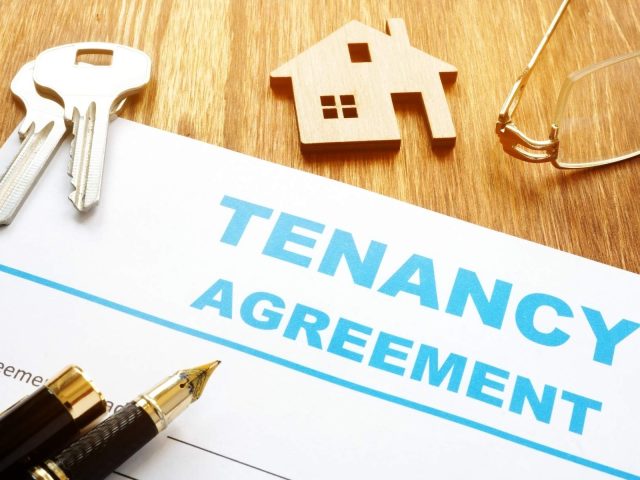
The purpose of a tenancy agreement is to ensure that both parties understand their rights and responsibilities. It is essential to include important details in the agreement, such as the rental price, due dates, lease duration, guidelines for property use, and the responsibilities for upkeep and repairs. . A well-written agreement minimizes misunderstandings and provides a legal basis in the event of a dispute, protecting both the landlord and the renter.
4. Provide Safe and Habitable Property.
The landlord must ensure that the property is in good condition before the tenant moves in. This includes making sure that the timely repairs, regular maintenance and ensuring property infrastructure and facilities comply with relevant regulations [1]. Landlords should conduct necessary repairs if issues arise, like fixing leaks, broken windows, or electrical issues, to prevent hazards and maintain the tenant’s comfort.
5. Provide Appliances and Facilities in Working Order.
Landlords who rent out fully or partially furnished properties are responsible for ensuring that all appliances and facilities provided are in good working condition at the start of the tenancy. This includes items such as air conditioners, water heaters, kitchen appliances, and other furnishings included in the rental agreement.
Tenants Responsibilities
1. Paying Rent on Time.
One of the main responsibilities of tenants is to pay rent on time, according to the agreed-upon schedule. Timely payment is essential to maintain a positive relationship with the landlord and avoid any legal repercussions, including possible eviction [1]. If tenants encounter any financial difficulties that might delay rent payment, they should communicate with the landlord to work out a solution. Open and transparent communication can strengthen the relationship between the tenant and the landlord.
2. Taking Care of the Property.
Tenants are required to maintain the property in a clean and good condition. This includes handling day-to-day upkeep, properly disposing of waste, and avoiding any activities that could cause damage [2]. If tenants accidentally damage something, they are responsible for covering the repair costs, particularly if the issue is due to negligence.
3. Handling Minor Repairs and Maintenance.
Tenants are typically responsible for minor repairs [1], such as changing light bulbs, unless otherwise stated in the tenancy agreement. For major issues like plumbing or electrical faults and waterproofing issues, tenants should promptly notify the landlord so that the necessary repairs can be arranged and helps prevent further damage.
4. Following House Rules and Restrictions.
In many cases, especially in apartments or condominiums, tenants must adhere to specific rules concerning noise, pet ownership, and shared facilities. These rules are designed to foster a peaceful and safe environment for all residents. By respecting these rules, tenants can maintain positive relationship with neighbours and avoid penalties from the landlord or building management.
5. Returning the Property in Good Condition.
Tenants are required to return the property in good condition, as this is part of their agreement with the landlord. Taking care of the property demonstrates respect for the landlord’s investment and helps ensure that tenants receive their full security deposit back. Additionally, leaving the property in good condition creates a positive impression for future rentals. When the property is returned properly, it facilitates the handover process for both parties and guarantees a seamless transition for the next renter. An effective and ethical way to end the tenancy amicably is to maintain the property well throughout the rental period.
6. Do Not Make Changes to the Unit Without Permission.
While tenants might believe that they are doing the landlord a favour by renovating or repainting the unit, the landlord may not be as appreciative [2]. It is always important for the tenant to consult with the landlord or property agent first before making any changes to the unit, especially if it involve significant alterations such hacking or knocking nails into the wall. Renovating the house, repainting, or changing the furniture may not be a good idea without the landlord’s approval [2].
Conclusion
In Malaysia, both landlords and tenants in Malaysia have clear responsibilities that contributes towards a positive rental experience. By understanding and adhering to these responsibilities and following the terms of the tenancy agreement, both parties can avoid conflicts and maintain a respectful and fair relationship. Tenants benefit from having a safe and comfortable place to live, while landlords can trust that their property is being looked after.
Additionally, it is important for both landlords and tenants to have access to contacts of reliable repair contractors such as plumbers, electricians, or waterproofing specialists, so that issues can be resolved efficiently and professionally. Being proactive in addressing maintenance needs not only preserves the property’s condition but also supports a smooth and stress-free rental arrangement for everyone involved.
References
[1] Rumah-i. (n.d.). The Responsibilities of Tenants & Landlords in Malaysia. Retrieved on 21st December 2021 from https://rent.rumah-i.com/responsibilities-tenants-landlords/
[2] Property Guru. (2020). The Responsibilities Of A Tenant And A Landlord – The Dos And Don’ts. Retrieved on 21st December 2021 from https://www.propertyguru.com.my/bm/panduan-hartanah/tanggungjawab-penyewa-dan-tuan-rumah-39077/
Categories
Archives
- December 2025
- November 2025
- October 2025
- September 2025
- August 2025
- July 2025
- June 2025
- May 2025
- April 2025
- March 2025
- February 2025
- January 2025
- December 2024
- November 2024
- October 2024
- September 2024
- August 2024
- July 2024
- June 2024
- May 2024
- April 2024
- March 2024
- February 2024
- January 2024
- December 2023
- November 2023
- October 2023
- September 2023
- August 2023
- July 2023
- June 2023
- May 2023
- April 2023
- March 2023
- February 2023
- January 2023
- December 2022
- November 2022
- October 2022
- September 2022
- August 2022
- July 2022
- June 2022
- May 2022
- April 2022
- March 2022
- February 2022
- January 2022
- December 2021
- November 2021
- October 2021
- September 2021
- August 2021
- July 2021
- June 2021
- May 2021
- April 2021
- March 2021
- February 2021
- January 2021
- December 2020
- November 2020
- October 2020
- September 2020
- August 2020
- July 2020
- June 2020