Blog
Introduction
A commercial building records rising electricity and water bills year after year. Occupants complain about uneven cooling, frequent plumbing issues, and low water pressure. Simple actions, such as replacing light fittings or fixing visible leaks offer only marginal savings, while a detailed maintenance review later reveals aging HVAC systems, leaking concealed pipes, poorly insulated ductwork, and inefficient fixtures as the true contributors to wastage. This real-world scenario highlights a critical, often-overlooked truth: energy and water inefficiency in buildings is rarely caused by user behaviour alone. Proper, systematic building maintenance plays a critical role in reducing unnecessary consumption, controlling operational costs, extending asset lifespan, and supporting long-term sustainability. Through saving of energy, water and money, carbon emissions can also be reduced, furthermore, ‘carbon neutral in operation’ can be achieved where the building do not cause any net emissions from direct fuel combustion and operational electricity use [1].
UNDERSTANDING ENERGY AND WATER USAGE IN BUILDINGS
To effectively save resources, it’s essential to know where consumption occurs. Buildings are complex systems where energy and water are consumed by numerous interconnected components. In commercial and large residential buildings, the largest energy consumers are typically HVAC systems (heating, ventilation, and air conditioning), which often account for the majority of a building’s energy load. Other significant consumers include lighting, lifts, pumps, electrical panels, and various common-area equipment. Meanwhile, water usage is dominated by the plumbing systems serving sanitary fittings (toilets, urinals, faucets). For larger buildings, cooling towers (which use water for heat rejection), irrigation systems, and water storage tanks also contribute significantly to the overall water footprint. A water-efficient building is one that is designed, constructed, and equipped to use water more sparingly and effectively [2].
Critically, poorly maintained systems consume significantly more energy and water than well-maintained ones, even if they were originally designed to be efficient [3]. A high-efficiency chiller, for instance, will perform as poorly as an older model if its condenser coils are scaled or dirty.
HOW POOR MAINTENANCE LEADS TO ENERGY AND WATER WASTE
System deterioration is a natural process, but neglected maintenance accelerates this decline, leading directly to resource wastage across the building. In HVAC and mechanical systems, dirty filters, worn motors, unbalanced systems, and aging equipment are major culprits [4]. When a filter is clogged, the fan motor must work harder, consuming more electricity to push the required volume of air. Similarly, friction from a poorly lubricated or misaligned pump motor causes it to draw more power, representing a classic case of mechanical inefficiency [5].
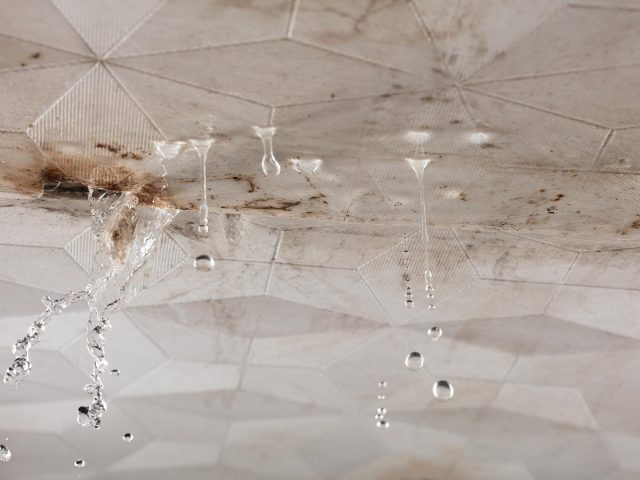
Besides mechanical systems, poor maintenance affects water systems as well. For example, water waste is often unseen. Concealed leaks, deteriorated pipes, faulty valves, and overflowing tanks contribute to continuous, unnoticed water wastage. A tiny, constant drip from a faulty toilet flapper or a leaking pipe joint hidden within a wall can waste thousands of litres over time, resulting in wasted water, which in turn silently inflating utility bills, and further exacerbating environmental impact [6]. Over years of operation, various systems suffer from a lack of calibration, corrosion, scaling, and general material deterioration. This degradation reduces the system’s ability to transfer heat, move fluid efficiently, or control power reliably, thus reducing overall system performance and efficiency.
KEY BUILDING SYSTEMS THAT REQUIRE REGULAR MAINTENANCE
A comprehensive maintenance strategy must focus on the most resource-intensive and failure-prone systems. Maintenance procedures must be proactive and regularly scheduled. For example, for HVAC systems, regular tasks include cleaning coils (evaporator and condenser) to ensure efficient heat exchange, replacing filters to maintain airflow quality and volume, servicing compressors, checking refrigerant levels for optimal thermodynamic cycle performance, and balancing airflow across zones [7].
In addition, for plumbing systems, preventive plumbing maintenance preserves the integrity and control of the water network and avoid costly repairs and avoid unnecessary disruptions [8]. This includes early leak detection, water pressure regulation to prevent pipe bursts and unnecessary flow rates, pipes and fixtures inspections and maintenance [8].
Furthermore, maintenance of electrical & lighting systems reduces energy demand and transmission loss. This involves upgrading to energy-efficient lighting (e.g., LED), checking wiring losses due to resistance or poor connections, maintaining control panels, and ensuring proper load distribution to prevent overloads and system stress. From all of these initiatives, energy-efficient lighting is one of the easiest ways to obtain significant energy savings for a relatively small investment and is one of the most common energy saving measures [9]. On the other hand, for all motorized equipment such as lifts, scheduled maintenance is critical to efficiency. Key tasks include lubrication to reduce friction, ensuring alignment to prevent unnecessary energy draw, upgrading outdated equipment can help reduce energy consumption and lower operating costs for building owners [10].
WATER-SAVING THROUGH PREVENTIVE MAINTENANCE
Preventive maintenance shifts the approach from reacting to emergencies to avoiding waste in the first place, with significant returns in water conservation. Routine inspections, often utilizing specialized tools like acoustic sensors or thermal imaging, are vital. This early leak detection and repair is essential to prevent small, manageable leaks from becoming catastrophic failures or major, prolonged water losses [11]. Even low-flow fixtures can waste water if they are not maintained. Maintaining low-flow taps, dual-flush toilets, and sensors ensures that water-saving features operate as designed. This includes replacing worn gaskets or calibrating sensor sensitivity to prevent continuous running or over-flushing.
Besides maintenance of plumbing system, maintenance of cooling towers & water storage are also paramount. Cooling towers are major water consumers due to evaporation. Regular cleaning, pipe inspection, electrical systems inspection and performance test is necessary to sustainable performance and high efficiency of cooling systems [12].
In addition, for buildings with water reuse strategies, clearing blockages in drainage and rainwater systems ensures these systems function correctly, avoiding unnecessary reliance on fresh water for non-potable uses like irrigation or cooling. Many modern buildings make use of rainwater capture to supplement their incoming potable supply, with the goal to reduce water bill costs and consumption significantly [13]. Thus, it is important to ensure that these systems are in a good shape via proper maintenance.
Conclusion
Excessive energy and water usage is often a symptom of neglected maintenance rather than flawed design. Regular, professional building maintenance is one of the most effective ways to reduce consumption, control costs, and improve building performance. Building owners, facility managers, and management bodies should prioritize preventive maintenance, system monitoring, and timely upgrades to achieve long-term energy and water savings while protecting asset value and environmental responsibility.
References
[1] Breathe. (n.d.). Energy and Water. Retrieved on 23rd July 2025 from https://www.breathe.com.au/guides/houses/energy-water/
[2] AC Architects. (2024). The Best Water Management Strategies For Self Builders. Retrieved on 23rd July 2025 from https://acarchitects.biz/self-build-blog/water-management-strategies/
[3] Regulux & Associés. (2024). Why Regular HVAC Maintenance Is Essential for Building Efficiency. Retrieved on 23rd July 2025 https://www.regulux.lu/post/why-regular-hvac-maintenance-is-essential-for-building-efficiency?lang=en/
[4] Galgon HVAC. (2025) Commercial HVAC System Breakdowns: Leading Causes and Prevention Tips. Retrieved on 23rd July 2025 from https://galgonhvac.com/commercial-hvac-system-breakdowns/
[5] CRMT Contracting.(2024). The Impact Of Poor Pump Maintenance On Energy Efficiency. Retrieved on 23rd July 2025 from https://www.crmtcontracting.com/poor-pump-maintenance-impact-on-energy-efficiency/
[6] Sonicu. (2024). Understanding the Costs of Water Leaks in Commercial Buildings. Retrieved on 23rd July 2025 from https://www.sonicu.com/blog/understanding-the-costs-of-water-leaks-in-commercial-buildings/
[7] Bassett Mechanical. (2024). Unlocking HVAC Potential: Why Preventative Maintenance Matters. Retrieved on 23rd July 2025 from https://www.bassettmechanical.com/news/unlocking-hvac-potential-why-preventative-maintenance-matters/
[8] Dr Rooter. (n.d.). Plumbing Preventive Maintenance: Key Strategies for Longevity. Retrieved on 23rd July 2025 from https://www.drrooterlexington.com/blog-posts/dr-rooters-guide-to-plumbing-preventive-maintenance/
[9] Schneider Electric. (2023). Energy saving opportunities. Retrieved on 23rd July 2025 from https://www.electrical-installation.org/enwiki/Energy_saving_opportunities
[10] Arrival Lifts Ltd. (2024). Why Is Regular Lift Maintenance Extremely Important? Retrieved on 23rd July 2025 from https://www.arrival-lifts.co.uk/blog/why-regular-lift-maintenance-is-important/
[11] McWilliams Heating, Cooling and Plumbing. (2025) The Importance of Early Leak Detection in Plumbing Systems. Retrieved on 23rd July 2025 from https://www.mcwilliamsandson.com/blogs/early-leak-detection-in-plumbing-systems/
[12] Plant Tech Arabia. (n.d.). Maintenance of Cooling Towers: Maintain System Performance. Retrieved on 23rd July 2025 from https://planttecharabia.com/maintenance-of-cooling-towers-maintaining-system-performance-and-sustainability/
[13] Epic Cleantec. (n.d.). The benefits of rainwater and stormwater reuse in the built environment. Retrieved on 23rd July 2025 from https://epiccleantec.com/blog/the-benefits-of-rainwater-and-stormwater-reuse-in-the-built-environment/
Categories
Archives
- December 2025
- November 2025
- October 2025
- September 2025
- August 2025
- July 2025
- June 2025
- May 2025
- April 2025
- March 2025
- February 2025
- January 2025
- December 2024
- November 2024
- October 2024
- September 2024
- August 2024
- July 2024
- June 2024
- May 2024
- April 2024
- March 2024
- February 2024
- January 2024
- December 2023
- November 2023
- October 2023
- September 2023
- August 2023
- July 2023
- June 2023
- May 2023
- April 2023
- March 2023
- February 2023
- January 2023
- December 2022
- November 2022
- October 2022
- September 2022
- August 2022
- July 2022
- June 2022
- May 2022
- April 2022
- March 2022
- February 2022
- January 2022
- December 2021
- November 2021
- October 2021
- September 2021
- August 2021
- July 2021
- June 2021
- May 2021
- April 2021
- March 2021
- February 2021
- January 2021
- December 2020
- November 2020
- October 2020
- September 2020
- August 2020
- July 2020
- June 2020