Blog
Introduction
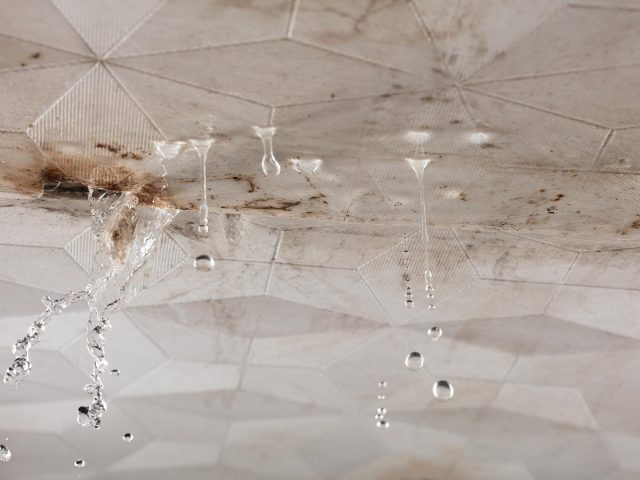
Imagine this scenario, where you’re showing your beautiful home to a potential buyer, and everything seems perfect. Then, they spot a faint water stain on the ceiling, a subtle musty smell, or a slightly warped floorboard. Just like that, their excitement deflates. This common scenario highlights a crucial truth when it comes to homes, water damage is a major red flag. It instantly erodes buyer confidence and can significantly drop your property’s value, especially when issues such as water leaking, roof leaking, toilet leaking, or balcony seepage are involved. In fact, even minor water issues can slash a home’s market value by 10-20%, often leading to buyers demanding hefty price reductions or repair concessions [1].
Homes with a history of water damage also tend to stay on the market much longer, as buyers are understandably cautious about perceived risks. The message is crystal clear, if you don’t address water problems, you’re not only lowering your home’s price but also deterring potential buyers altogether.
DECREASED PROPERTY VALUE
Water damage casts a long, dark shadow over your home’s marketability. Buyers and lenders often view past leaks or floods as signs of deeper and hidden structural issues, even if you have made repairs [2]. Appraisers are trained to recognise obvious signs through peeling paint, buckling floors or even hints of mould growth. When they identify these issues, they may lower their valuations. In serious cases, this could lead to mortgage approvals being denied, drastically shrinking the pool of qualified buyers. To make matters worse, insurance companies might increase your premiums or refuse coverage altogether for properties they deem high-risk. The longer you let water damage go unaddressed, the more it transforms from a minor fix into a deal-breaking liability.
HEALTH AND SAFETY CONCERNS
Beyond financial implications, water damage poses serious threats to your family’s health. Damp environments can encourage the growth of mould and mildew, which can worsen allergies and respiratory problems. And then there’s the dreaded toxic black mould, which is linked to chronic illnesses, especially in vulnerable individuals. Even if you can’t see it, invisible mould spores can degrade your indoor air quality, leading to long-term health risks.
From a structural standpoint, water-damaged materials, such as rotted wood, corroded pipes or compromised foundations can increase the risk of collapses or electrical fires. Additionally, standing water can attract unwanted guests like termites and rodents, bringing even more health and safety worries. Therefore, a home with water damage isn’t just a financial headache, it can become a significant health crisis waiting to unfold.
POTENTIAL FOR FUTURE DAMAGE
Water damage can be quite insidious. A small leak behind your drywall can silently compromise your home’s framing, insulation and wiring. What may seem like a simple patch job can quickly escalate into a massive renovation [3]. Homes that have experienced water issues in the past are also more susceptible to future damage, as their weakened structures struggle to withstand new leaks or storms. Delaying repairs only speeds up this deterioration, guaranteeing higher costs down the line. The best way to break this expensive cycle is to be proactive and address issues immediately.
Conclusion
Water damage is a sneaky enemy that quietly chips away at your home’s value, safety, and structural integrity. The consequences extend beyond mere aesthetics, leading to significant financial losses, serious health risks, and ever-increasing repair bills. Issues such as wall cracks, roof leaks, toilet problems, balcony leaks, or hidden seepage behind walls require prompt attention and professional solutions like PU injection, grouting, coring tests, concrete scanning, or general building repair carried out by an experienced repair specialist.
A homeowner must prioritise leak detection, prompt repairs, and regular maintenance to protect their most valuable investment. Proper waterproofing repair and preventive care not only stop recurring water issues but also protect long-term property value. In the world of real estate, a dry, well-maintained home isn’t just an attractive selling point, it’s the foundation of lasting value, durability, and peace of mind.
References
[1] Teaneck Carpet Cleaning (n.d.). The impact of water damage on your home’s value. Retrieved on 18th June 2024 from https://www.teaneckcarpetcleaning.com/blog/water-damage-affects-home-value/
[2] Campbell, M. (2023). How much does water damage affect home value? Retrieved on 18th June 2024 from https://www.driritetampa.com/how-much-does-water-damage-affect-home-value/
[3] Llorian, M. (2023). Water Damage and Structural Integrity: Understanding the Risks. Retrieved on 18th June 2024 from https://www.advantaclean.com/ft-lauderdale-fl/about-us/blog/water-damage-and-structural-integrity-understanding-the-risks/
Categories
Archives
- December 2025
- November 2025
- October 2025
- September 2025
- August 2025
- July 2025
- June 2025
- May 2025
- April 2025
- March 2025
- February 2025
- January 2025
- December 2024
- November 2024
- October 2024
- September 2024
- August 2024
- July 2024
- June 2024
- May 2024
- April 2024
- March 2024
- February 2024
- January 2024
- December 2023
- November 2023
- October 2023
- September 2023
- August 2023
- July 2023
- June 2023
- May 2023
- April 2023
- March 2023
- February 2023
- January 2023
- December 2022
- November 2022
- October 2022
- September 2022
- August 2022
- July 2022
- June 2022
- May 2022
- April 2022
- March 2022
- February 2022
- January 2022
- December 2021
- November 2021
- October 2021
- September 2021
- August 2021
- July 2021
- June 2021
- May 2021
- April 2021
- March 2021
- February 2021
- January 2021
- December 2020
- November 2020
- October 2020
- September 2020
- August 2020
- July 2020
- June 2020