Blog
Introduction
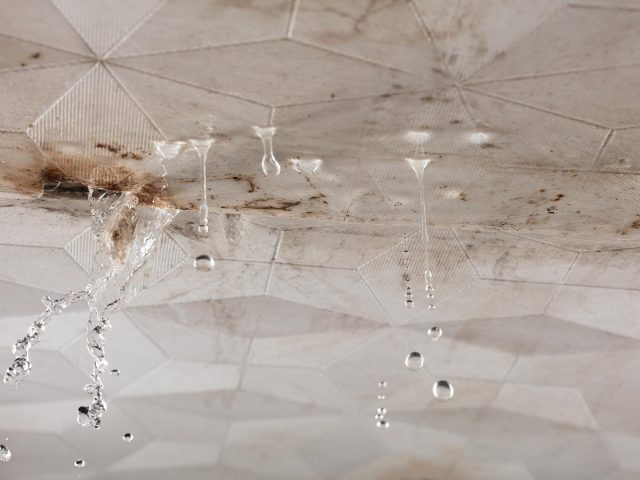
It often begins innocently: a homeowner in a strata-titled high-rise apartment notices water dripping from the ceiling after a long night of rain. At first, they assume it is a minor defect, perhaps a clogged drainage point or a bit of condensation. Only when the stain grows larger, paint begins to bubble, and water starts pooling near electrical points do they realise the leak originates from the unit above, and the damage is far more extensive than expected. Before long, the situation escalates into costly structural repairs, disputes between neighbours, formal inspections by building management, and potential legal involvement. Water ingress, in such cases, becomes more than a maintenance inconvenience; it becomes a liability affecting multiple parties. In multi-unit or strata buildings, water ingress can trigger physical damage, health hazards, property disputes, and complex legal responsibilities. This article explores how leaks develop, how they compromise a building’s structural integrity, and how an initially small issue can spiral into major financial and legal consequences if not addressed promptly.
WHAT “WATER INGRESS” MEANS IN A BUILDING (ESPECIALLY STRATA / MULTI-STOREY)
Water ingress refers to any unwanted penetration of water into a building, and in high-rise or strata developments, it can occur through several pathways. Leaks often stem from domestic water pipe failures, deteriorated waterproofing membranes in bathrooms, balconies or roofs, poorly sealed windows and doors, or cracks in external walls and structural elements that allow rainwater or groundwater to seep in [1]. In strata buildings specifically, the legal terminology often used is inter-floor leakage, which is defined as visible dampness, moisture or water penetration on the ceiling or interior surfaces of a unit or common property resulting from water movement between floors. The concept is critical because the source of the leak determines who bears responsibility, either a private unit owner or the building management body, depending on where the defect originates.
Water often travels through concealed pathways, making diagnosis challenging. Failed waterproof membranes in bathrooms or flat roofs allow water to seep beneath tiles or slab surfaces, sometimes for months before signs appear below [2]. Defects in plumbing systems, such as leaking fittings, burst pipes, or excessive water pressure, are also common sources and may cause sudden or long-term seepage through structural slabs and wall cavities [1]. External factors such as cracks in walls, damaged window frames, poor sealant applications or structural settlement can also create gaps where rainwater or groundwater infiltrates, particularly in older buildings or those exposed to harsh weather conditions. Because water often moves laterally before appearing elsewhere, the visible stain rarely aligns directly beneath the true source, complicating the assessment process and making expert leak detection essential.
EARLY & HIDDEN IMPACTS OF WATER INGRESS (BEYOND VISIBLE LEAKS)
The first impacts of water ingress typically manifest on interior surfaces, such as damp patches or water stains on ceilings and walls, bubbling paint, plaster detachment, or discoloration, all of which are commonly misunderstood as simple cosmetic issues. These symptoms often indicate that moisture has already been absorbed into surface materials and is slowly traveling deeper into the building’s interior layers. Damp conditions also contribute to musty smells, condensation, or persistent humidity, particularly in humid climates or poorly ventilated apartments, signalling that the moisture problem is more significant than what appears on the surface [1].
Over time, internal finishes such as plaster, gypsum board, insulation, flooring and wall materials begin to deteriorate due to prolonged exposure to moisture. Inter-floor leaks, in particular, can compromise gypsum ceilings or false ceiling panels, causing sagging, softening, or collapse if left untreated. The degradation worsens with continuous exposure, and repeated wetting and drying cycles accelerate the breakdown of materials [3]. Flooring materials such as laminate wood, vinyl, or engineered timber may warp, swell, or detach, while wall finishes become brittle or mould-infested. Because many of these components are concealed behind walls or false ceilings, the damage often becomes extensive before homeowners detect the underlying source of the leak.
LONG-TERM CONSEQUENCES OF UNCHECKED WATER INGRESS
When water ingress is not resolved early, it gradually affects deeper layers of the building, including structural components such as slabs, beams, reinforcement bars and concrete. Prolonged moisture exposure can cause steel reinforcement to corrode, leading to expansive forces that crack the surrounding concrete and weaken overall load-bearing capacity. Concrete structures in humid or coastal environments are especially vulnerable, as chloride exposure accelerates corrosion and concrete deterioration [1]. As the structural elements weaken, the building’s long-term performance and safety may be compromised, reducing lifespan and increasing the cost of repairs. Water infiltration can also reach mechanical, electrical, and plumbing systems, posing risks such as electrical shorts, pipe corrosion, and malfunctioning equipment [1].
Health risks also emerge as damp environments promote mould growth, creating poor indoor air quality that may lead to respiratory issues, allergies, and recurring biological contamination. In vertical living environments, inter-floor leakage has been associated with mould outbreaks across multiple units, affecting tenants beyond the immediate source of the leak [1]. Hidden defects are another significant concern; water that seeps into walls, slabs, or structural cavities may remain undetected for extended periods, silently causing damage. Such latent defects often escalate into major repairs only after long-term deterioration has occurred, making early intervention crucial for preventing extensive structural failures [4].
LEGAL, FINANCIAL & LIABILITY CONSEQUENCES
In strata buildings, the legal implications of water ingress are substantial. Under regulations such as Malaysia’s Strata Management Act 2013 and its Maintenance & Management Regulations, inter-floor leakage is formally defined, and strict procedures outline how complaints must be handled. When a leak occurs within the Defect Liability Period (usually the first 24 months after handover), the developer is responsible for rectification [1]. Beyond the DLP, responsibility depends entirely on where the defect originates: if a leak arises from internal plumbing or waterproofing within an individual unit, that unit owner becomes liable; however, if the leak stems from common property elements such as roofs, external walls, shared plumbing systems or structural slabs, the management body (JMB/MC) is accountable [3].
Once a leak is reported, management must conduct an inspection, typically within five to seven days, before issuing a formal inspection certificate, such as Form 28, which identifies the responsible party [3]. If the liable party refuses or fails to repair the defect, the management body may proceed with remedial works and later recover costs, or the affected unit owner may file a complaint with a strata management tribunal. Financially, water ingress can be extremely costly. Membrane failures, roof leaks, or concealed plumbing defects often require demolition, excavation, or large-scale waterproofing works that may cost thousands or even tens of thousands of ringgit [2]. Persistent or unresolved leaks can also decrease property values, complicate insurance claims, and make units harder to sell or rent due to stigma attached to moisture issues [1]. As such, the financial implications extend far beyond the immediate cost of repair.
COMMON CAUSES & RISK FACTORS
Water ingress commonly arises from poor or defective construction, such as inadequately installed waterproofing membranes in bathrooms, balconies or rooftops. These membranes may fail due to incorrect application, insufficient thickness, improper joint sealing or the use of unsuitable materials [2]. Plumbing defects also play a major role. Issues such as low-quality pipes, improper pressure control, faulty joints, high water pressure, pipe bursts or water hammering can create leaks that gradually penetrate structural slabs and interior finishes [1]. External sealing defects, around windows, doors, façade penetrations and wall junctions, further increase the risk of rainwater entering the building [2].
As buildings age, constant wear and environmental exposure cause membranes, sealants, grouts and drainage components to deteriorate. UV exposure, thermal expansion, weather fluctuations and material fatigue all contribute to leak formation, especially in areas such as rooftops or external walls [4]. Lack of scheduled maintenance, including periodic inspection of plumbing systems, drainage lines and waterproofing layers, allows minor defects to remain undetected until they become serious latent issues. Building design itself can also contribute to ingress risks. Poor drainage, inadequate slopes, incorrect waterproof membrane placement or reliance on complex shared plumbing systems, common in modern condominiums, increase opportunities for water infiltration [2]. Additionally, environmental conditions such as high humidity, heavy rainfall or extreme tropical weather amplify moisture intrusion and accelerate deterioration, making prompt inspection and remediation essential.
WARNING SIGNS & EVIDENCE TO MONITOR
Residents should be alert to visible symptoms such as damp patches, discoloration, peeling paint, warped floors or sagging ceilings. These symptoms often indicate that water has already penetrated internal layers of the building. Musty odours, mould growth or persistent humidity are further signs that moisture is present even when surfaces appear dry. Hidden clues include recurring dampness during dry weather, unexplained condensation build up, moisture around balconies or window frames, and mould growth in concealed areas such as inside cabinets, false ceilings, or wall cavities. In strata environments, leaks linked to upper floor usage, such as dripping after showering, laundry activities, or use of washing machines, often suggest membrane or plumbing issues within the upper unit. Early documentation is crucial; homeowners are strongly advised to photograph and record leaks immediately, as this serves as essential evidence for reporting to building management or filing legal claims [1].
PREVENTION, MITIGATION & BEST PRACTICES
Preventing water ingress begins with proper design, construction and waterproofing practices. High-quality waterproof membranes must be installed correctly in all wet areas, rooftops and balconies, with attention given to sealing joints and penetrations. Plumbing systems should be designed with appropriate pressure control devices and installed using durable materials to minimize the risk of future leaks [1]. Regular inspections are essential to detect early signs of deterioration. Building management bodies, such as JMBs or MCs, should establish scheduled maintenance routines to inspect common property elements including roofs, drainage systems, external walls and shared plumbing lines, as well as monitor the condition of internal waterproofing and seals [3].
When leaks occur, prompt reporting and intervention are critical. Homeowners should immediately notify management or developers (if within DLP), thoroughly document the issue and engage professional leak detection or waterproofing specialists. Cosmetic repairs such as repainting may temporarily hide symptoms but will never resolve the root cause. In strata buildings, compliance with official procedures, including timely inspection, issuance of inspection certificates and proper assignment of liability, must be followed. To ensure proper repair outcomes, specialized waterproofing solutions such as polyurethane injection, liquid-applied membranes, thermoplastic membranes, bituminous sheet membranes and cementitious waterproofing systems should be used, depending on the nature of the defect. Trusted professional services provide long-term solutions that address both the symptoms and the underlying causes of water ingress.
LIABILITY, DISPUTE & LEGAL/MANAGEMENT PROCESSES
Strata law outlines clear processes for handling inter-floor leakage. Upon receiving a complaint, building management must inspect the affected area within the legally prescribed time frame and determine the source of the leak based on physical evidence and technical assessment [3]. Once the cause is established, an inspection certificate, such as Form 28, is issued, identifying the responsible party. During the Defect Liability Period, the developer remains accountable for repair; beyond that, liability is assigned either to the parcel owner or the management body depending on whether the defect originates within the private unit or from common property elements [3]. If the responsible party refuses to repair the leak, the management body may intervene, conduct the necessary works and recover costs, or the affected owner may escalate the matter through a strata management tribunal [1].
Accuracy in identifying the source of water ingress is critical, as leaks often originate from unexpected locations such as concealed pipes, membrane failures, external façade cracks, drainage issues or even defects in adjacent units. Expert assessment using tools such as moisture meters, tracer dyes or infrared thermography may be required to pinpoint the true cause [2]. Incorrect assumptions can lead to disputes, repeated repairs and misallocation of costs. As a result, the legal process emphasizes evidence-based diagnosis and proper documentation to ensure accountability and prevent ongoing conflicts between residents and management bodies.
Conclusion
Water ingress may begin as a minor annoyance, a small damp patch, a persistent stain or a single drip from the ceiling, but in multi-storey and strata developments, it can rapidly escalate into structural deterioration, health hazards, expensive repairs and complex legal liabilities. What starts as a simple “leak”, can ultimately become a major “liability” if not addressed promptly. For property owners, building managers and developers, proactive prevention is essential. This includes prioritizing high-quality construction, regular inspections, early detection and timely remediation.
Residents should also understand their rights and responsibilities, document issues promptly and engage qualified professionals when leaks occur. With proper management and expert waterproofing solutions, water ingress can be effectively controlled, protecting building integrity, property value and the well-being of occupants.
References
[1] Wai, K. Y. (2023). Water leak in condo: Who is responsible and how to prevent inter-floor leakage? iProperty. Retrieved on 25th June 2025 from https://www.iproperty.com.my/guides/water-leak-condo-inter-floor-leakage-58458/
[2] MST Lawyers. (2025). Water Ingress: The Hidden Defect Costing Homeowners Thousands. Retrieved on 25th June 2025 from https://www.mst.com.au/domestic-building-defects-water-ingress/
[3] MahWengKwai & Associates. (2020). FAQ on Inter-Floor Leakage & Party Wall Damage in Strata Schemes. Retrieved on 25th June 2025 from https://mahwengkwai.com/inter-floor-leakage-party-wall-damage-strata-schemes/
[4] Mohd Sahi, S. R., Mohd Tawil, N., Saaidin, N. E., & You Wai, K. (2023). Case Study: Inter-floor Leakage in High-Rise Residential Buildings in Malaysia. Jurnal Kejuruteraan, SI 6(1) 2023: 197–206. Retrieved on 25th June 2025 from http://journalarticle.ukm.my/23457/2/17.pdf
Categories
Archives
- December 2025
- November 2025
- October 2025
- September 2025
- August 2025
- July 2025
- June 2025
- May 2025
- April 2025
- March 2025
- February 2025
- January 2025
- December 2024
- November 2024
- October 2024
- September 2024
- August 2024
- July 2024
- June 2024
- May 2024
- April 2024
- March 2024
- February 2024
- January 2024
- December 2023
- November 2023
- October 2023
- September 2023
- August 2023
- July 2023
- June 2023
- May 2023
- April 2023
- March 2023
- February 2023
- January 2023
- December 2022
- November 2022
- October 2022
- September 2022
- August 2022
- July 2022
- June 2022
- May 2022
- April 2022
- March 2022
- February 2022
- January 2022
- December 2021
- November 2021
- October 2021
- September 2021
- August 2021
- July 2021
- June 2021
- May 2021
- April 2021
- March 2021
- February 2021
- January 2021
- December 2020
- November 2020
- October 2020
- September 2020
- August 2020
- July 2020
- June 2020