Blog
Introduction
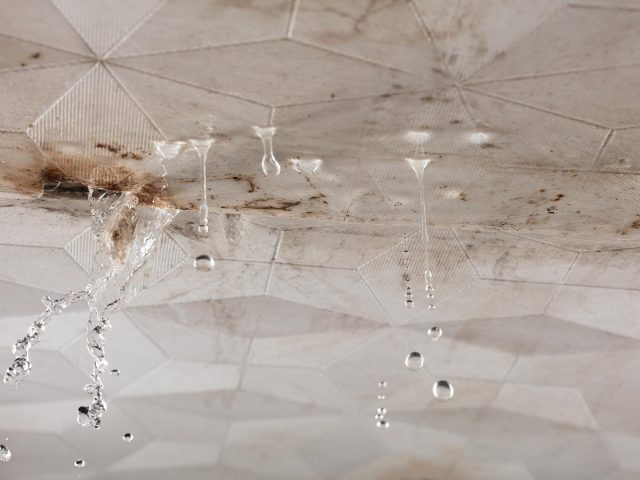
Leaky pipes are one of the most common household issues in Malaysia. A small leak might seem minor, but over time it can cause serious water damage, increase water bills, and even affect your building’s structure. In Malaysia’s hot and humid climate, pipe leaks are often caused by a combination of environmental conditions, material wear, and poor workmanship. Understanding these common causes can help homeowners take preventive action and reduce the need for costly waterproofing or water leaking repairs later.
- Aging and Corroded Pipe Materials
One of the most significant factors affecting plumbing issues in Malaysian homes is the type of piping material commonly used. Many older houses still rely on galvanised iron (GI) pipes, which were widely installed before the 1980s. Over time, GI pipes are susceptible to rust and corrosion, especially in Malaysia’s humid climate. As corrosion progresses, pinhole leaks can develop, often hidden within walls or beneath flooring. In contrast, newer developments typically use PVC (polyvinyl chloride), uPVC (unplasticised PVC), or PPR (polypropylene random copolymer) pipes, which are more resistant to corrosion. However, they can still fail if exposed to poor installation practices or extreme heat. Additionally, copper pipes are often found in higher-end properties, but they too can develop leaks due to joint failures or long-term wear. Regular inspection and timely pipe repair or replacement can prevent water seepage and protect the home’s structure. - Climate and Environmental Stress
Climate conditions play a major role in the deterioration of pipes. Malaysia’s tropical weather is characterised by high humidity, heavy rainfall, and consistent heat throughout the year. These conditions accelerate the wear and tear of plumbing systems. Constant exposure to moisture encourages condensation around pipes, which can weaken joints and promote mould growth. Meanwhile, outdoor piping exposed to direct sunlight may suffer from thermal expansion and contraction, leading to cracks or stress at connection points [1]. Moreover, Malaysia’s frequent thunderstorms and occasional flooding increase the risk of soil shifting, which can put stress on underground pipes and lead to leaks. Engaging a waterproofing specialist or leak detection expert helps identify early warning signs before bigger issues arise. - Poor Installation Practices
Poor installation quality is another common cause of pipe leaks in Malaysian homes. Often, shortcuts taken during construction or renovation can lead to issues such as poor pipe alignment, loose fittings, or the use of low-quality adhesives. For instance, improperly joined PVC pipes can eventually separate under pressure, especially in high-use areas such as kitchens and bathrooms. Similarly, inadequate sealing around threaded connections may result in slow leaks that go unnoticed until they cause significant damage. Homeowners who hire unlicensed or inexperienced contractors face a higher risk of encountering these problems. Thus always engage a professional contractor to ensure correct installation and prevent long-term leakage problems.
- Water Quality Issues
Water quality plays a significant role in the issue of leaky pipes in Malaysia. In certain regions, hard water, which contains higher levels of minerals like calcium and magnesium, can lead to problems [2]. Over time, these mineral deposits build up inside the pipes, leading to blockages and increased pressure, which may eventually result in leaks. In urban areas, chlorine is often added to water supplies for disinfection purposes. While chlorine is safe for use, it can corrode certain metals and rubber seals, gradually weakening the plumbing system. Homeowners should consider regular plumbing inspections to identify early signs of corrosion or deterioration. - Aging Infrastructure in Older Homes
Finally, aging infrastructure is a challenge in many Malaysian neighbourhoods. In older housing estates, the original water supply systems may not have been replaced for decades. These outdated pipes are more susceptible to failure, particularly if they have not been maintained or upgraded to modern standards. Homeowners living in such areas often face recurring leaks unless the entire plumbing network is replaced. In such cases, complete pipe replacement or PU injection waterproofing may be necessary to restore the system’s reliability and prevent water damage to walls, floors, or ceilings.
- Aging and Corroded Pipe Materials
Conclusion
In summary, leaky pipes in Malaysian homes are mainly caused by corrosion, climate stress, poor workmanship, water quality, and aging systems. To prevent costly damage, homeowners should schedule regular inspections, use durable piping materials, and hire experienced waterproofing repair specialists for proper installation and maintenance. Early action helps protect your home from structural damage and ensures long-term peace of mind.
References
[1] Beehive Plumbing. (n.d.). How does Hot Weather Impact Your Residential Plumbing System? Retrieved on 24th January 2022 from https://www.beehiveplumbing.com/how-does-hot-weather-impact-your-residential-plumbing-system/
[2] Hanover Supply Co. (2021). 5 Common Plumbing Problems Caused by Hard Water. Retrieved on 24th January 2022 from https://www.hanoversupply.com/common-plumbing-problems-caused-by-hard-water/
Categories
Archives
- December 2025
- November 2025
- October 2025
- September 2025
- August 2025
- July 2025
- June 2025
- May 2025
- April 2025
- March 2025
- February 2025
- January 2025
- December 2024
- November 2024
- October 2024
- September 2024
- August 2024
- July 2024
- June 2024
- May 2024
- April 2024
- March 2024
- February 2024
- January 2024
- December 2023
- November 2023
- October 2023
- September 2023
- August 2023
- July 2023
- June 2023
- May 2023
- April 2023
- March 2023
- February 2023
- January 2023
- December 2022
- November 2022
- October 2022
- September 2022
- August 2022
- July 2022
- June 2022
- May 2022
- April 2022
- March 2022
- February 2022
- January 2022
- December 2021
- November 2021
- October 2021
- September 2021
- August 2021
- July 2021
- June 2021
- May 2021
- April 2021
- March 2021
- February 2021
- January 2021
- December 2020
- November 2020
- October 2020
- September 2020
- August 2020
- July 2020
- June 2020