Blog
Let’s be honest, most of us take our bathrooms for granted until something starts leaking, smelling weird, or falling apart. As we know, bathrooms and toilets are constantly in use, which means they’re also experiencing constant wear and tear. Since they deal with water all day long, the condition of the waterproofing protection system in bathrooms and toilets is important. Even small issues with the waterproofing can turn into significant and expensive problems if ignored [1], often requiring waterproofing repair, PU injection, or even grouting work later on.
For example, a cracked tile can allow moisture to seep under the floor, or a toilet that is slowly leaking at the base, both of which can seriously damage your home. These issues often start small and unnoticed, eventually leading to bigger water leaking repair needs or even building repair if the structure is affected. In this article, we will go over some of the most common bathroom and toilet issues we have seen, and most probably you have dealt with too without noticing, and what can be done to prevent water damage and ensure everything functions properly.
1. LEAKY SHOWERS AND FAUCETS
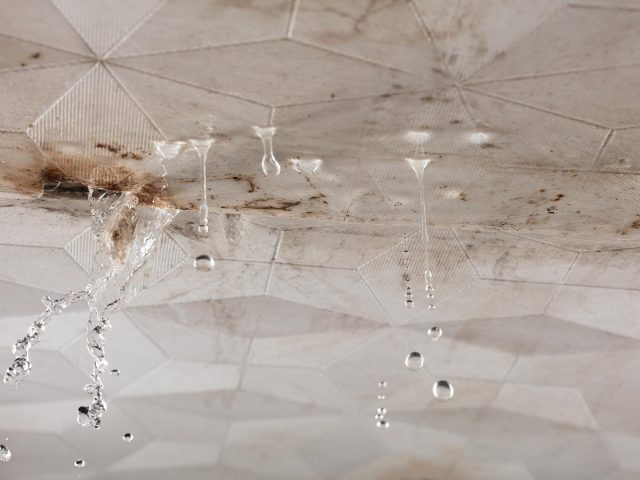
To create a scenario, think about the annoying drip-drip from a faucet at 2 am. Aside from being irritating, that slow leak can waste a significant amount of water over time. What’s even worse, water from leaky showers or faucets can seep into places that you don’t want it, such as behind walls, under tiles or even into your flooring.
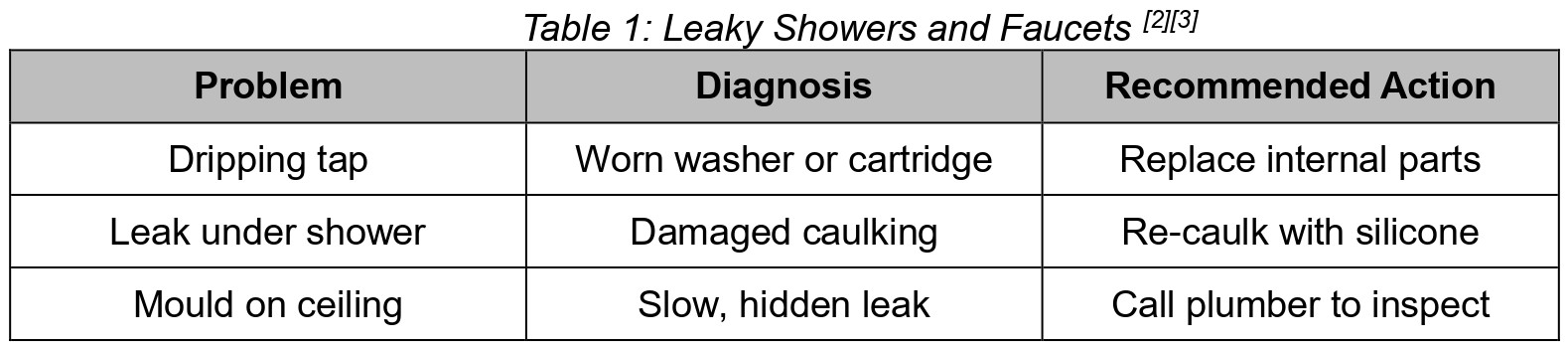
These leaks typically occur due to worn-out washers, seals or old caulking that has cracked and peeled. To prevent these problems from worsening, consider the following actions:
i. Regularly inspect the caulking lines around your shower or tub. You can replace them if they’re cracked or peeling.
ii. If a faucet continues to drip even after being turned off tightly, you probably need to replace the washer or cartridge.
iii. Do not delay repairs. The sooner you address the issue, the less likely it is that the water will cause hidden damage.
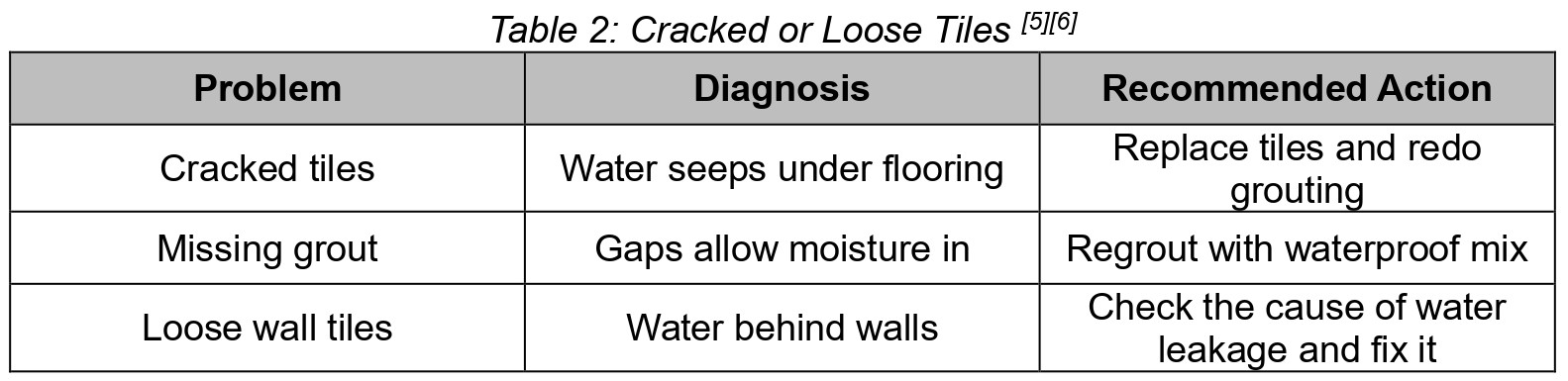
2. CRACKED OR LOOSE TILES
Tiles are more than just an aesthetic purpose. They are a significant part of your bathroom’s waterproof barrier. In addition, grouting damage may also cause leaks to occur [4]. Once a tile cracks or pops loose, water can seep into the layers underneath. Over time, this can lead to rotting in your subfloor, warping of wood or lifting of surrounding tiles.
Here are some tips to address cracked or loose tile before the problem worsens:
i. If you notice crumbling grout or shifting tiles, don’t ignore the signs. Clean the area and redo grouting if needed.
ii. For any cracked tiles, it is important to replace them. It’s not just about appearance, it helps keep moisture out.
iii. Be cautious with cleaning chemicals. Harsh products can damage grout over time.
3. WATERPROOFING PROBLEMS
Most effective water protection in a bathroom actually occurs beneath the surface. Underneath your tiles or flooring, there’s usually a waterproof membrane in place. If this layer deteriorates or is poorly installed, water can begin to seep into the walls or subfloor over time. You might not even realise there’s a problem until you notice your paint starts bubbling, or you smell something musty.
Some examples of signs of hidden waterproofing failure are as below:
i. Paint peeling near the bathroom or on the ceiling below.
ii. Musty or mouldy smell even after cleaning.
iii. Walls or floors that feel damp or “soft.”
Fixing this can be expensive, especially if the waterproofing wasn’t done right in the first place. It’s worth paying a licensed water proofer to do it properly.
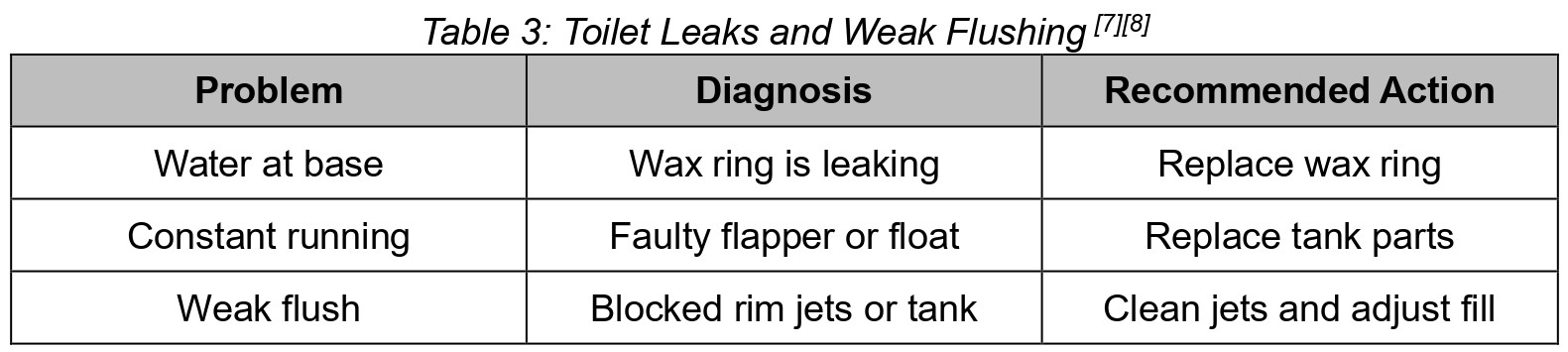
4. TOILET LEAKS AND WEAK FLUSHING
Toilets are one of the biggest sources of silent leaks in a house. A running toilet wastes heaps of water, and leaks at the base can damage the floor underneath. Ever stepped on a squishy floor around the toilet? Yeah, that’s not good.
How to stay ahead of toilet problems? Below shows some ways to be aware of the toilet and bathroom problems:
i. If your toilet runs constantly, the flapper or float valve probably needs replacing.
ii. If there’s water around the base, it could be a failed wax ring seal.
iii. Weak flushing? Check if the rim holes are clogged or the tank isn’t filling properly.
5. POOR VENTILATION
Even if you fix leaks and have perfect tiles, poor ventilation will let moisture sit in the air and that leads to mould, peeling paint and warped cabinets. Every bathroom needs some way to vent humidity out. Proper ventilation can help in preventing mould growth by circulating fresh air in the bathroom and reducing humidity build up [9].
There are some suggestions that you can follow below:
i. Install an exhaust fan with a humidity sensor if you don’t already have one.
ii. Open windows when showering if the privacy allows.
iii. Use paint designed for damp areas. It resists mildew better.