Blog
Introduction
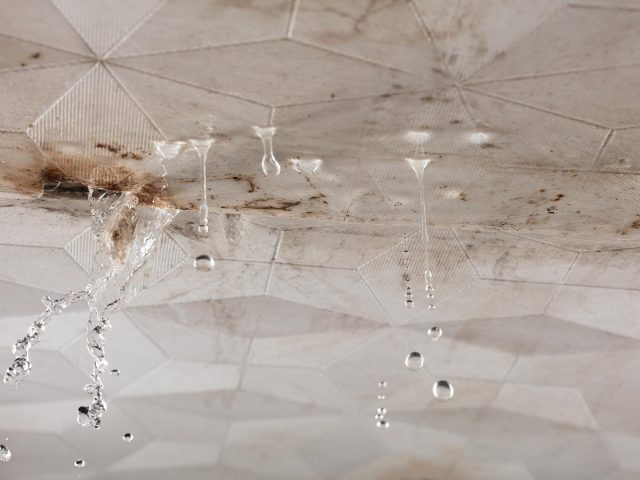
When people spot a small water stain on the ceiling or notice a slow drip from a pipe, the instinct is often to postpone repairs. After all, it appears harmless, a minor inconvenience at most. However, leaving water leaks, roof leaking, or toilet leaking unaddressed can quickly escalate into serious problems that threaten not only your property but also your health and safety. What may seem like “just a drip” can carry consequences that reach far beyond that is immediately visible.
DANGERS OF UNTREATED WATER LEAKS
1. Structural Damage That Spreads Quietly
Water has a remarkable ability to seep through concrete, timber, and brick. In Malaysia’s humid climate, unaddressed leaks can rapidly accelerate deterioration of building materials. Over time, water penetrates foundations, weakens walls, corrodes reinforcements, and damages flooring [1].
In landed homes, roof leaks left unchecked can compromise timber trusses, leading to expensive roof repair or even complete replacement. In condominiums or high-rise buildings, hidden pipe leaks or balcony leaks can affect not just a single unit but also neighbouring units below, resulting in costly balcony repair, wall repair, and disputes over damages. A seemingly minor damp patch may eventually threaten the integrity of the entire property if ignored.
2. Mould Growth in Humid Conditions
Malaysia’s year-round humidity creates ideal conditions for mould to thrive. Even a minor leak can elevate moisture levels enough to trigger mould growth on walls, ceilings, and furniture. Often, these patches are hidden behind paint or wallpaper, yet they spread rapidly.
Mould is not just an eyesore, it releases spores into the air, which cling to surfaces and circulate indoors, leading to a persistent musty smell that is hard to eliminate. Once mould has taken root, simple cleaning won’t be enough to solve the problem. Preventive actions such as waterproofing repair, PU injection, and grouting are essential to stop recurrence.
3. Health Risks to Occupants
The health risks posed by mould and dampness are serious, especially for vulnerable groups such as children, the elderly, and those with asthma or allergies [2]. Long-term exposure to mould spores can lead to:
- Persistent coughing and sneezing
- Irritation of the eye, skin, and throat
- Aggravated asthma and breathing difficulties
- Higher susceptibility to respiratory infections
In densely populated urban housing, where ventilation is often insufficient, untreated leaks further degrade indoor air quality. Over time, this fosters an unhealthy living environment that silently undermines well-being.
4. Electrical Hazards
Water and electricity are a hazardous combination [2]. When leaks occur near concealed wiring, sockets, or electrical panels, the risk of short circuits, power outages, and even fires increases significantly. Imagine a scenario where a ceiling leak drips into light fixtures or concealed junction boxes, such accidents have led to electrical fires. As electrical wiring often runs behind walls and ceilings, homeowners may remain oblivious of the danger until disaster strikes.
5. Rising Repair Costs
Ignoring leaks can also lead to serious financial repercussions. A minor plumbing repair that might have cost a few hundred ringgit can quickly escalate into a multi-thousand ringgit major renovation involving roof repair, balcony repair, wall repair, mould remediation, electrical rewiring, or structural repairs. The longer the issue is left unaddressed, the more extensive the damage becomes, in turn, elevating the eventual repair costs.
PREVENTION METHOD
To safeguard your property and health, it is crucial to address leaks as soon as they appear. Conduct routine inspections of ceilings, walls, and areas under sinks for damp patches or discolouration, and take immediate action by contacting a plumber, building repair contractor, or waterproofing specialist at the first hint of a leak.
Ensure good ventilation to maintain low humidity levels, which helps prevent mould growth. Schedule regular maintenance for high-rise units, collaborating with building management to inspect common pipes and waterproofing systems. Vulnerable areas such as roofs, bathrooms, and balconies should receive proactive waterproofing repair, PU injection, and grouting treatments. Periodically check for cracks, wall leaks, or other signs of water ingress to prevent future leaks.
Conclusion
In Malaysia’s high-humidity climate with frequent rainfall, untreated water leaks are more than minor nuisances—they are silent threats that can compromise your home’s roof, walls, balconies, plumbing systems, and overall structural integrity. Leaks promote mould growth, degrade indoor air quality, create electrical hazards, and lead to escalating repair costs. Prompt action is essential to protect your property, health, and investment. Early intervention not only saves money but also ensures a safe, healthy, and well-maintained living environment for you and your family.
References
[1] Titan Commercial Roofing and Roof Restoration. (2023). 6 Hidden Dangers of Water Leaks. Retrieved on 27th December 2025 from https://titanontop.com/six-hidden-dangers-of-water-leaks/
[2] AnyLeak. (n.d.). The Hidden Dangers of Ignoring Water Leaks – Water leak detection & repair solutions Retrieved on 27th December 2025 from https://anyleak.ca/the-hidden-dangers-of-ignoring-water-leaks/
Categories
Archives
- December 2025
- November 2025
- October 2025
- September 2025
- August 2025
- July 2025
- June 2025
- May 2025
- April 2025
- March 2025
- February 2025
- January 2025
- December 2024
- November 2024
- October 2024
- September 2024
- August 2024
- July 2024
- June 2024
- May 2024
- April 2024
- March 2024
- February 2024
- January 2024
- December 2023
- November 2023
- October 2023
- September 2023
- August 2023
- July 2023
- June 2023
- May 2023
- April 2023
- March 2023
- February 2023
- January 2023
- December 2022
- November 2022
- October 2022
- September 2022
- August 2022
- July 2022
- June 2022
- May 2022
- April 2022
- March 2022
- February 2022
- January 2022
- December 2021
- November 2021
- October 2021
- September 2021
- August 2021
- July 2021
- June 2021
- May 2021
- April 2021
- March 2021
- February 2021
- January 2021
- December 2020
- November 2020
- October 2020
- September 2020
- August 2020
- July 2020
- June 2020