Blog
Introduction
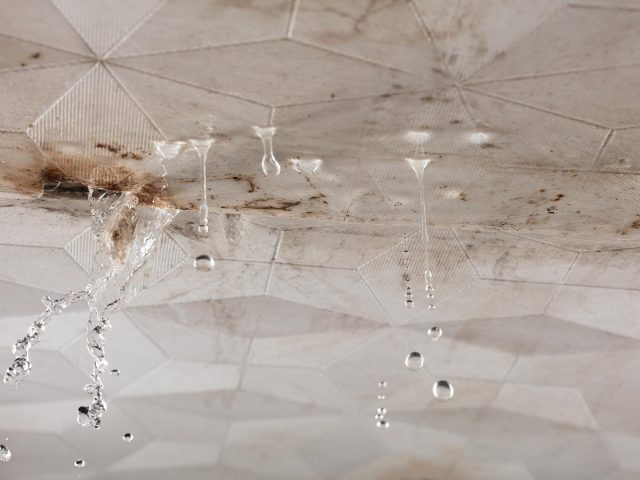
After a prolonged monsoon season, a high-rise residential building experiences multiple complaints, which includes water seepage through walls, ceiling stains, mould growth, and frequent lift breakdowns. Despite recent repainting and minor repairs, defects quickly reappear. A closer inspection reveals that continuous heavy rainfall, high humidity, and thermal exposure have accelerated material deterioration beyond what routine maintenance addressed. This scenario is familiar across Malaysia, where buildings are subjected year-round to intense environmental stresses that exceed those found in temperate climates. Malaysia’s tropical climate, characterized by high rainfall, humidity, heat, and ultraviolet (UV) exposure, significantly accelerates building deterioration. Understanding how weather conditions affect building components is essential for effective maintenance planning, defect prevention, and long-term asset protection.
OVERVIEW OF MALAYSIA’S CLIMATE AND ENVIRONMENTAL CONDITIONS
Malaysia experiences a hot and humid tropical climate with average temperatures ranging between 27°C and 32°C throughout the year, accompanied by high annual rainfall exceeding 2,500 mm in many regions. The country is affected by two main monsoon seasons, which bring prolonged periods of heavy rain, sudden downpours, and strong winds that increase the risk of water ingress and drainage failure in buildings [1]. These rainfall patterns place continuous pressure on roofing systems, façades, and below-ground structures, particularly where design allowances or maintenance practices are inadequate.
In addition to rainfall, Malaysia’s consistently high relative humidity, often above 60%, creates persistent moisture conditions that promote condensation, biological growth, and accelerated material degradation. High humidity reduces drying time after rainfall, allowing moisture to remain trapped within building materials, joints, and cavities. This issue is exacerbated indoors in damp areas indoors such as bathrooms, kitchens, non-shaded external walls, drain surfaces and laundry areas [2]. This persistent dampness contributes significantly to mould growth and corrosion-related defects.
Heat and solar radiation further compound these issues. Prolonged exposure to high temperatures and intense UV radiation accelerates thermal expansion, surface cracking, and aging of coatings, sealants, and waterproofing membranes. Materials that perform adequately in cooler climates may deteriorate rapidly when exposed to Malaysia’s thermal cycling and solar intensity. Urban environmental factors such as air pollution, coastal exposure, and urban heat island effects further intensify weather-related deterioration, especially in dense cities and coastal developments. Therefore, proper material selection is important to ensure building longevity in tropical, hot and humid climates to ensure that the materials resists these conditions without degrading [3].
WEATHER-RELATED STRESS ON BUILDING ENVELOPES
The building envelope is the first line of defence against Malaysia’s harsh weather conditions, and it is often the most affected. External walls and façades are continuously exposed to wind-driven rain, solar radiation, and humidity, leading to rain penetration through hairline cracks, porous finishes, and poorly detailed joints. Over time, moisture migration causes paint deterioration, efflorescence, and surface staining, indicating deeper moisture-related issues within the wall system [4].
Roofing systems are particularly vulnerable due to constant exposure to rainfall and solar heat. Flat roofs frequently experience ponding water caused by inadequate slopes, blocked drains, or membrane deformation [5]. Prolonged water retention accelerates waterproofing degradation, increases the risk of leakage, and leads to structural moisture ingress. For pitched roofs, tile displacement, cracked ridge tiles, and deteriorated flashing are common during monsoon and stormy seasons, allowing water to enter roof spaces and ceiling voids [6].
Windows, doors, and other openings are also affected by Malaysia’s climate. Thermal cycling causes frame movement and sealant shrinkage, while prolonged exposure to moisture degrades gaskets and joint sealants. These failures allow water penetration during heavy rain events, often resulting in concealed leakage that damages exterior and interior wall finishes, as well as compromising structural integrity of the wall [7]. Furthermore, presence of water can compromise electrical systems as well, which can results in electrical shortages and safety hazards to residents.
IMPACT OF RAINFALL AND MOISTURE ON BUILDING SYSTEMS
Rainfall and moisture have far-reaching impacts beyond visible envelope defects. Waterproofing and drainage failures are among the most common maintenance issues in Malaysian buildings. Blocked gutters, downpipes, and roof drains caused by debris accumulation or poor maintenance lead to overflow, backflow, and uncontrolled water discharge. Furthermore, waterproofing failure may lead to water seepage, which can exacerbate the degradation of building due to moisture build-up [8]. Furthermore, poor slope design further intensifies these issues, causing water to migrate into unintended areas such as wall cavities and slab edges.
Structural moisture ingress poses more serious long-term risks. When water penetrates reinforced concrete elements such as slabs, beams, and columns, it initiates corrosion of steel reinforcement. Corrosion causes expansion, cracking, and eventual concrete spalling, compromising structural integrity if left untreated [9]. These defects often remain hidden for years, becoming apparent only after significant deterioration has occurred.
Plumbing and sanitary systems are also affected by Malaysia’s weather conditions. Temperature fluctuations and constant moisture exposure increase stress on pipe joints, seals, and concealed plumbing systems. Minor leaks in concealed areas can persist unnoticed, leading to prolonged dampness, mould growth, and structural degradation in floors and walls.
EFFECTS OF HIGH HUMIDITY AND HEAT ON INTERIOR SPACES
High humidity and heat significantly affect interior environments, particularly in residential, commercial, and institutional buildings. Persistent dampness creates ideal conditions for mould and mildew growth, which not only damage finishes but also negatively impact indoor air quality and occupant health. Mould spores thrive in poorly ventilated spaces, air-conditioned rooms, and areas with intermittent condensation such as bathrooms and bedrooms [2].
Interior finishes and fixtures are especially vulnerable to moisture-related deterioration. Timber components warp, swell, or rot when exposed to prolonged humidity, while paint finishes blister and peel due to trapped moisture. Laminates may delaminate, and metal fittings corrode rapidly in high-humidity environments, increasing maintenance frequency and replacement costs.
Electrical and mechanical systems are equally affected. Condensation within electrical panels, conduits, and equipment leads to short circuits, corrosion of components, and reduced equipment lifespan [10]. Mechanical systems such as lifts and HVAC units experience increased breakdowns during wet seasons due to moisture intrusion, sensor malfunction, and component corrosion.
Conclusion
Malaysia’s weather places continuous stress on buildings, accelerating deterioration when not properly managed. High rainfall, humidity, heat, and environmental exposure affect every aspect of building performance, from façades and roofs to structural elements and interior systems. Weather-aware maintenance is essential to preserve structural integrity, occupant safety, and asset value. Property owners, building managers, and developers must align maintenance strategies with Malaysia’s climatic realities, prioritizing preventive inspections, timely repairs, and climate-appropriate materials to ensure long-term building performance and resilience.
References
[1] Jabatan Meteorologi Malaysia. (n.d.). Weather Phenomena. Retrieved on 19th August 2025 from https://www.met.gov.my/en/pendidikan/fenomena-cuaca/
[2] Wai, K. Y. (2022). Mould and indoor air quality in your house: What you should know. iProperty. Retrieved on 19th August 2025 from https://www.iproperty.com.my/property-insights/mould-indoor-air-quality-house-malaysia-75736/
[3] Vogt, D. (2024). Choosing the Right Building Materials for Your Climate: A Comprehensive Guide. The Door and Window Authority LLC. Retrieved on 19th August 2025 from https://doorandwindowauthority.com/blog/choosing-the-right-building-materials-for-your-climate–a-comprehensive-guide/
[4] Birla Opus. (n.d.). Efflorescence on Walls Explained: Simple Tips to Treat and Prevent White Deposits. Retrieved on 19th August 2025 from https://www.birlaopus.com/blog/efflorescence/
[5] AquaGard Waterproofing Solutions. (n.d.). The Detrimental Effects of Ponding Water on Flat Roof Waterproofing. Retrieved on 19th August 2025 from https://aquagardwaterproofingsolutions.co.za/the-detrimental-effects-of-ponding-water-on-flat-roof-waterproofing/
[6] SCG Roofing Earls Barton. (2024). Pitched Roof Repairs: How to Ensure Structural Integrity Post-Storm. Retrieved on 19th August 2025 from https://scgroofingearlsbarton.co.uk/pitched-roof-repairs-how-to-ensure-structural-integrity-post-storm/
[7] 9 Reno Pte Ltd (2024). Water Leakage Nightmare: How to Repair Window-Damaged Walls! Retrieved on 19th August 2025 from https://9reno.com/water-leakage-nightmare-how-to-repair-window-damaged-walls/
[8] Low, Simon (2024). Common Building Defects That Happen Over Time. IPM Professional Services. Retrieved on 19th August 2025 from https://ipm.my/common-building-defects-that-happen-over-time/
[9] Lai, W.F. (2022). Corrosion of Steel Reinforcement in Concrete. IPM Professional Services. Retrieved on 19th August 2025 from https://ipm.my/common-building-defects-that-happen-over-time/
[10] NCH Asia. (2023). Moisture: An Enemy to your electrical equipments. Retrieved on 19th August 2025 from https://www.nchasia.com/moisture-an-enemy-to-your-electrical-equipments/
Categories
Archives
- December 2025
- November 2025
- October 2025
- September 2025
- August 2025
- July 2025
- June 2025
- May 2025
- April 2025
- March 2025
- February 2025
- January 2025
- December 2024
- November 2024
- October 2024
- September 2024
- August 2024
- July 2024
- June 2024
- May 2024
- April 2024
- March 2024
- February 2024
- January 2024
- December 2023
- November 2023
- October 2023
- September 2023
- August 2023
- July 2023
- June 2023
- May 2023
- April 2023
- March 2023
- February 2023
- January 2023
- December 2022
- November 2022
- October 2022
- September 2022
- August 2022
- July 2022
- June 2022
- May 2022
- April 2022
- March 2022
- February 2022
- January 2022
- December 2021
- November 2021
- October 2021
- September 2021
- August 2021
- July 2021
- June 2021
- May 2021
- April 2021
- March 2021
- February 2021
- January 2021
- December 2020
- November 2020
- October 2020
- September 2020
- August 2020
- July 2020
- June 2020