Blog
Introduction
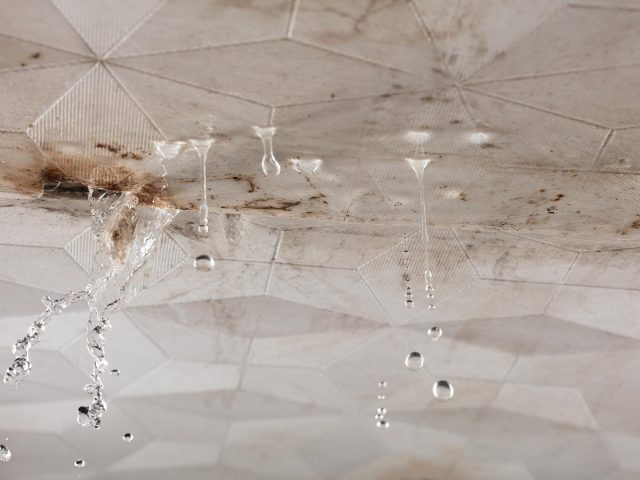
Water leaks are ranked among the most frequent and costly problems homeowners face. Even a minor leak, if left undetected, can eventually cause mould growth, structural damage, and higher utility bills. While a dripping faucet is easy to spot, leaks concealed within walls, floors, or underground pipes are far more challenging to detect. For this reason, professional plumbers or waterproofing specialists utilise advanced technologies to pinpoint leaks accurately with minimal disturbance. Some of the most widely used methods include thermal imaging, acoustic leak detection, and pressure testing.
WATER LEAK DETECTION METHODS
1. Thermal Imaging
Thermal imaging, or infrared technology, works by identifying temperature variations on a surface. When water seeps from a pipe, it often creates cooler, damp spots that differ from the surrounding area. By scanning walls, ceilings, or floors with a thermal camera, professionals can identify these anomalies and trace the source of the leak without destructive work to the structure [1]. This method is especially valuable in finished areas of the home, or when leaks occur beneath roofing or flooring, because it is quick, non-destructive, and minimises unnecessary damage.
2. Acoustic Leak Detection
Meanwhile, acoustic leak detection relies on highly sensitive listening devices that detect the sound of water escaping under pressure [2]. Every leak produces a distinctive noise, such as hissing or gurgling, which can be detected even when pipes are hidden beneath concrete slabs, driveways, or landscaped areas. Acoustic detection is particularly effective when dealing with underground pipes or large plumbing systems where manual inspection would be too difficult or disruptive. By accurately locating the exact location of the leak, acoustic detection helps homeowners avoid excessive excavation or demolition.
3. Pressure Testing
Pressure testing focuses on evaluating the integrity of a plumbing system by isolating a section and introducing water or air under controlled pressure. A drop in pressure indicates that a leak is present somewhere in the system [3]. While pressure testing is often used for newly installed plumbing before walls or floors are sealed, this method is also invaluable for closed systems such as sprinkler networks or heating loops. Its straightforward and measurable results makes it a reliable way to confirm whether a leak exists when other methods remain inconclusive.
COMBINATION OF DIFFERENT METHODS
Professionals can combine detection methods to ensure maximum accuracy. For example, thermal imaging can identify a suspicious moisture zone, which can then be verified by acoustic detection or pressure testing before any repair work.
By using multiple complementary techniques, plumbers and building repair specialists can quickly locate hidden leaks, avoid unnecessary demolition, and apply targeted solutions such as PU injection, grouting, or waterproofing repair. This approach not only reduces repair costs but also protects structural elements like walls, ceilings, and floors from further deterioration.
Conclusion
In a nutshell, water leak detection methods such as thermal imaging, acoustic detection, and pressure testing offer homeowners reassurance that hidden problems will be identified quickly and accurately. By investing in professional leak detection and repair services, including PU injection, waterproofing repair, and building maintenance, homeowners can prevent small leaks from escalating into major problems. Early detection protects the home’s structural integrity, prevents mould growth, avoids wall cracks, and ensures financial peace of mind. Proactive management of water leaks safeguards both property and the well-being of occupants.
References
[1] MRC Lab (n.d.) Leak Detection with a Thermal Camera: What We Need to Know. Retrieved on 19th April 2025 from https://www.mrclab.com/leak-detection-with-a-thermal-camera/
[2] GPRS. (n.d.). Acoustic Leak Detection: How Does It Work? Retrieved on 19th April 2025 from https://www.gp-radar.com/article/acoustic-leak-detection-how-does-it-work/
[3] Hackler Plumbing. (n.d.). Hydrostatic Pressure Test for Plumbing Leaks. Retrieved on 19th April 2025 from https://hacklerplumbingmckinney.com/hydrostatic-pressure-test-for-plumbing-leaks/
Categories
Archives
- December 2025
- November 2025
- October 2025
- September 2025
- August 2025
- July 2025
- June 2025
- May 2025
- April 2025
- March 2025
- February 2025
- January 2025
- December 2024
- November 2024
- October 2024
- September 2024
- August 2024
- July 2024
- June 2024
- May 2024
- April 2024
- March 2024
- February 2024
- January 2024
- December 2023
- November 2023
- October 2023
- September 2023
- August 2023
- July 2023
- June 2023
- May 2023
- April 2023
- March 2023
- February 2023
- January 2023
- December 2022
- November 2022
- October 2022
- September 2022
- August 2022
- July 2022
- June 2022
- May 2022
- April 2022
- March 2022
- February 2022
- January 2022
- December 2021
- November 2021
- October 2021
- September 2021
- August 2021
- July 2021
- June 2021
- May 2021
- April 2021
- March 2021
- February 2021
- January 2021
- December 2020
- November 2020
- October 2020
- September 2020
- August 2020
- July 2020
- June 2020