Blog
Introduction
Water leaks are not always dramatic bursts of water flooding your home. In many houses and apartments, leaks develop quietly, hidden behind walls, beneath floors, or within ceilings. Because of our hot and humid Malaysian climate, even a small leak whether from a roof, toilet, or plumbing can quickly escalate into mould growth, structural damage, and costly repair bills. Detecting these leaks early and consulting a waterproofing specialist or building repair professional can save significant expenses. The challenge of detection of leaks is that many of these leaks are invisible, so you need to watch for subtle signs of water leakage. Outlined below are five of the less obvious indicators that suggest you might have a water leak in your property.
SIGNS OF WATER LEAKS
1. Unexplained High Water Utility Bills
If your water bill suddenly increases without any change in your daily habits, it could be a sign of a hidden leak somewhere around the house. For instance, you may notice that you are paying significantly higher water utility bills even though your household size and water use remain the same. In many cases of water leakage, water meters continue to register water consumption even when every tap and appliance is turned off. This usually means that water is escaping somewhere in the plumbing system. Air Selangor, Malaysia’s main water utility, has highlighted internal pipe leaks as one of the most common causes of unexpectedly high water utility bills [1].
2. Musty Odours and Dampness
Another clue is the presence of persistent musty or earthy smells in certain parts of your home. These odours often come from mould and mildew, which thrive in damp conditions. You may notice that cupboards, basements, or enclosed corners emit damp smell even after cleaning. While naturally humid climate already encourages moisture, the smell of mould that lingers usually points to a constant hidden water leakage such as leakage behind walls or under floors.
3. Peeling Paint or Stained Walls
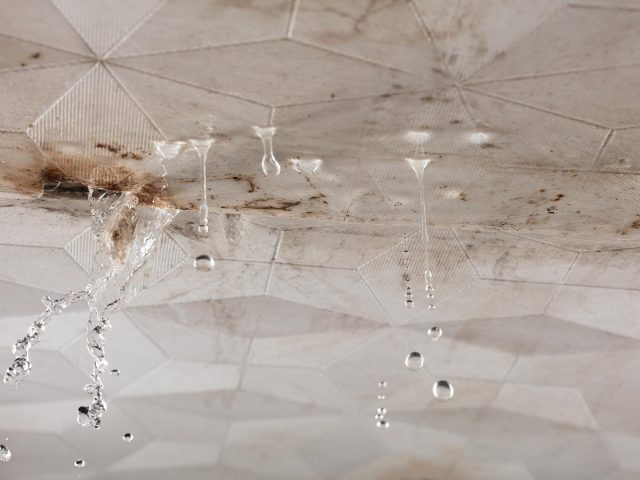
On the other hand, peeling, bubbling, or cracking paint on your walls can be more than just a cosmetic issue. It can also mean that water is seeping through the structure and weakening the wall beneath. Sometimes you might also see brown or yellow patches or stains spreading across the ceiling or upper parts of a wall [2]. These are often caused by leaking roofs or plumbing on the floor upstairs. In many older homes, plaster or drywall can deteriorate quickly when exposed to moisture, which explains why peeling surfaces can appear soon after a leak begins.
4. Warped or Buckling Floors
Floors are another area where hidden leaks are prevalent and often not detected on time. As a result, wooden or laminate flooring may begin to swell, bend, or develop gaps between planks. Even tile or vinyl flooring can start to lift or feel soft under feet pressure if moisture seeps through the subfloor. Many houses use a mixture of wood, tile, and laminate, this kind of damage is common in bathrooms, kitchens, and laundry areas where leaks are most likely to occur.
5. Sudden Drop in Water Pressure
Finally, if your showers, taps, or toilets suddenly, or slowly lose pressure across the entire home, this may indicate that there is leakage somewhere in the water supply system [3]. A major leak diverts water away from where it should be flowing, leaving you with weak showers pressure and slow-filling toilet cisterns/tanks. While clogged pipes can also reduce pressure, leaks are often the underlying cause, especially when pressure problems appear all at once.
Conclusion
In a nutshell, you may be able to directly observe a leaky pipe, but your home often gives off warning signs of pipe leakage. If you notice high bills, musty smells, stained walls, warped flooring or low water pressure, don’t simply ignore them and take proactive steps accordingly. Early and proactive action can save you from costly repairs, health problems, and water wastage.
References
[1] Air Selangor (n.d.). FAQ – High Bill. Retrieved on 17th March 2025 from https://www.airselangor.com/support/topic/details/02edb241-cb06-4ade-a193-09389aa4d5f3?lang=en/
[2] Stricklin, T. (2024). 14 Signs You Have a Water Leak – And the Fastest Way to Detect it. Retrieved on 17th March 2025 from https://www.springwellwater.com/signs-you-have-a-water-leak/
[3] Beyer Plumbing (2021). 7 Reasons Your Water Pressure Is So Low. Retrieved on 17th March 2025 from https://beyerplumbing.com/7-reasons-your-water-pressure-is-so-low/
Categories
Archives
- December 2025
- November 2025
- October 2025
- September 2025
- August 2025
- July 2025
- June 2025
- May 2025
- April 2025
- March 2025
- February 2025
- January 2025
- December 2024
- November 2024
- October 2024
- September 2024
- August 2024
- July 2024
- June 2024
- May 2024
- April 2024
- March 2024
- February 2024
- January 2024
- December 2023
- November 2023
- October 2023
- September 2023
- August 2023
- July 2023
- June 2023
- May 2023
- April 2023
- March 2023
- February 2023
- January 2023
- December 2022
- November 2022
- October 2022
- September 2022
- August 2022
- July 2022
- June 2022
- May 2022
- April 2022
- March 2022
- February 2022
- January 2022
- December 2021
- November 2021
- October 2021
- September 2021
- August 2021
- July 2021
- June 2021
- May 2021
- April 2021
- March 2021
- February 2021
- January 2021
- December 2020
- November 2020
- October 2020
- September 2020
- August 2020
- July 2020
- June 2020