Blog
What is Property Management?
Property management refers to the oversight and administration of residential, commercial, and industrial properties by a third-party contractor [1]. It involves a wide range of responsibilities such as tenant management, financial planning, building repair, waterproofing maintenance, and ensuring compliance with safety and regulatory standards. A key objective of property management is to protect the building’s value by performing regular maintenance, preventing issues such as water leaking, crack, concrete spalling, and ensuring the property remains safe and comfortable for occupants. Engaging an experienced building repair or waterproofing specialist helps identify and resolve issues like roof leaking, wall cracks, and structural deterioration before they worsen.
How to Keep a Building in Good Condition
- Regular Inspections
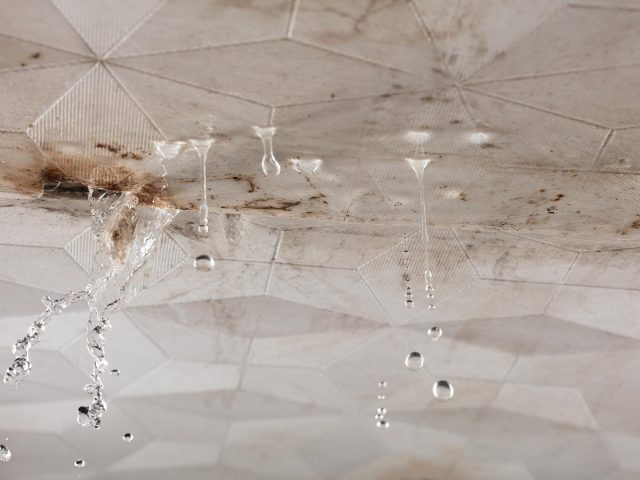
Regular inspections are essential for maintaining the safety and efficiency of a building. The structure, including the foundation, walls, ceilings, and roof, should be checked for cracks, leaks, or any signs of wear to prevent costly repairs. Waterproofing systems must also be inspected to detect signs of toilet leaking, dampness, or water seepage, while plumbing and electrical systems should be regularly tested to prevent faults or hazards [2]. Roofs and external walls are particularly vulnerable to leaks and water ingress, so early roof leaking repair, PU injection, or grouting can prevent serious damage.
The electrical system needs routine inspections to detect issues such as faulty wiring, outdated circuits, or malfunctioning outlets Moreover, the plumbing system should be monitored to avoid leaks and water damage [2]. HVAC units require regular servicing to ensure proper functioning and prevent malfunctions.
Additionally, fire safety must be prioritized by testing smoke detectors, fire alarms, and sprinklers. It is also ensuring important to ensure that fire extinguishers are functional and exit routes are clearly marked and unobstructed. These proactive measures help safeguard both the building and its occupants.
- Routine Maintenance
Routine maintenance is crucial for preserving both the aesthetic appeal and functionality of a building. Regular cleaning of common areas, repainting, and wall crack repair help prevent moisture intrusion and deterioration. Common waterproofing activities such as toilet waterproofing, balcony waterproofing, and PU injection works ensure that leaks are sealed before they cause long-term issues.Pest control treatments should be scheduled to prevent infestations and maintain a pest-free space. Landscaping also plays an important role in enhancing curb appeal while ensuring proper drainage and protecting the building’s exterior from potential damage. Additionally, addressing exterior maintenance issues, such as peeling paint, broken windows, or damaged facade is essential to prevent further deterioration and maintain the building’s structural integrity. These routine tasks contribute towards a safe, pleasant, and well-maintained environment.
- Timely Repairs
Timely repairs are key to minimizing costs and avoiding structural damage. Issues such as roof leaking, toilet leaking, spalling concrete, or wall cracks should be fixed immediately to prevent mold growth and structural weakening. Furthermore, general wear and tear in areas such as flooring, doors, and windows must be repaired promptly to avoid further damage and maintain the building’s appearance. By proactively addressing minor issues, like cracks in walls or broken fixtures, before they escalate into larger problems, can save significant time and money in the long run. Regular attention to these repairs ensures the building remains safe, functional, and visually appealing. - Energy Efficiency
Energy efficiency is crucial for reducing costs and promoting sustainability in any building. Proper insulation helps maintain temperature control, reducing the need for excessive heating or cooling. Sealing windows and doors is equally important to prevent drafts, with intact weather stripping and replacement of broken or cracked windows ensuring that energy is not wasted.
Additionally, utilizing energy-efficient lighting, such as LED bulbs, contributes to lower electricity consumption. It’s also essential to regularly check that all outdoor lighting fixtures are in good working condition to avoid unnecessary energy use [3]. Together, these measures improve the overall efficiency of the building, resulting in savings in both energy and costs. - Addressing Safety Concerns
Ensuring safety within any facility requires careful attention to key security and maintenance aspects. It is crucial to install and maintain robust security systems, such as surveillance cameras, access control systems, and adequate lighting in high-traffic areas, to prevent unauthorized access and deter potential threats.
In addition, elevators and lifts should undergo regular inspections and maintenance to guarantee their safe operation and functionality, reducing the risk of accidents. Handrails, stairs, and stairwells must also be consistently checked and maintained to meet safety standards, making sure they are secure and free of hazards.By addressing these safety concerns, facilities can create a secure environment for all individuals who interacts with the space.
- Routine Exterior Care
Routine exterior care is essential for preserving both the integrity and appearance of a property. Roof maintenance should be conducted at least twice a year, with inspections for damage, worn shingles, or clogged gutters. Regular cleaning of gutters and downspouts is necessary to prevent water damage. The exterior walls should be pressure-washed and repainted as needed to protect against weathering, wear, and pest infestation. Additionally, windows should be thoroughly cleaned, and window seals must be checked for any gaps or leaks, as this improves both energy efficiency and the overall aesthetics of the building. By staying on top of these maintenance tasks, property owners can ensure the longevity and appeal of their home or facility.
- Regular Inspections
Conclusion
In conclusion, effective property management goes beyond basic maintenance, it requires a proactive approach combining routine inspections, PU injection, waterproofing maintenance, and timely building repair. Addressing issues such as roof leaking, toilet leaking, wall cracks, or waterproofing failure early helps preserve both the safety and value of the property. Collaborating with a trusted waterproofing contractor or building repair specialist in Malaysia ensures professional assessment, high-quality workmanship, and long-term protection. Consistent care keeps buildings durable, attractive, and valuable, providing peace of mind to owners and comfort to every occupant.
References
[1] Robinson, J. (n.d.). What Does Property Management Mean? Jones Robinson. Retrieved on 25th August 2022 from https://www.jonesrobinson.co.uk/articles/what-does-property-management-mean/
[2] Co, R.H (n.d.). The Importance of Building Maintenance. Robert Haines Co. Retrieved on 25th August 2022 from https://www.roberthainesco.com/the-importance-of-building-maintenance/
[3] Dana Dunford (2021). The Only Building Maintenance Checklist You’ll Ever Need. Retrieved on 25th August 2022 from https://www.hemlane.com/resources/building-maintenance-checklist/
Categories
Archives
- December 2025
- November 2025
- October 2025
- September 2025
- August 2025
- July 2025
- June 2025
- May 2025
- April 2025
- March 2025
- February 2025
- January 2025
- December 2024
- November 2024
- October 2024
- September 2024
- August 2024
- July 2024
- June 2024
- May 2024
- April 2024
- March 2024
- February 2024
- January 2024
- December 2023
- November 2023
- October 2023
- September 2023
- August 2023
- July 2023
- June 2023
- May 2023
- April 2023
- March 2023
- February 2023
- January 2023
- December 2022
- November 2022
- October 2022
- September 2022
- August 2022
- July 2022
- June 2022
- May 2022
- April 2022
- March 2022
- February 2022
- January 2022
- December 2021
- November 2021
- October 2021
- September 2021
- August 2021
- July 2021
- June 2021
- May 2021
- April 2021
- March 2021
- February 2021
- January 2021
- December 2020
- November 2020
- October 2020
- September 2020
- August 2020
- July 2020
- June 2020