Blog
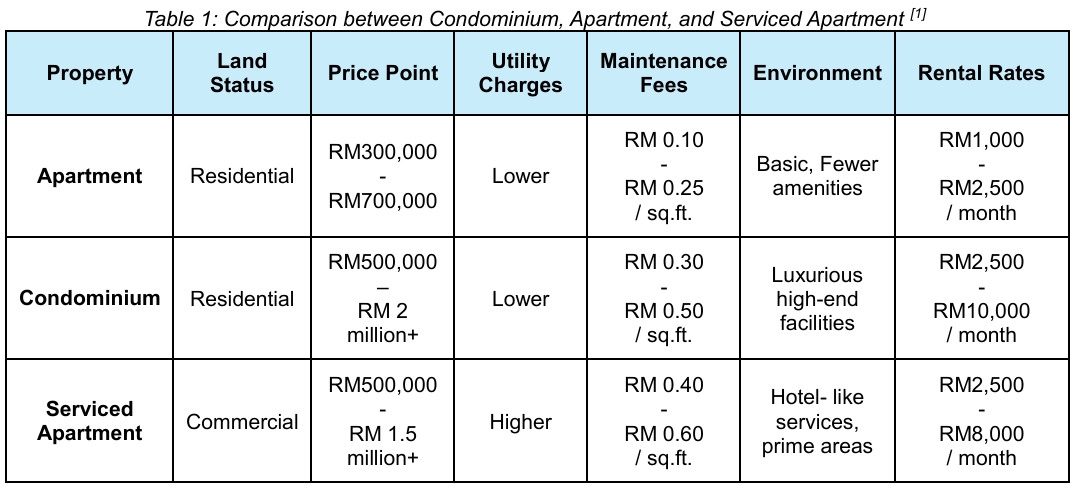
Condominiums are multi-level residential buildings located on land designated for residential use. They can be viewed as an upgraded version of apartments, providing more than just basic amenities. Each unit within a condominium is owned by different individuals, each typically having at least one designated parking space and access to 24/7 security. This makes condominiums a popular choice for families seeking both privacy and safety.
While ownership in condominiums is individual, they foster a strong sense of community through various shared facilities. Common amenities, which are all managed by a Joint Management Body (JMB) or Management Corporation (MC), typically includes fitness areas, rooftop gardens, swimming pools, recreational lounges, gyms, playgrounds, and parking, additionally, some condominiums feature amenities like resident clubs and day care centres [1].
What is a Serviced Apartment?
A serviced apartment, which may also be referred to as a serviced apartment, extended stay apartment, or serviced condo, is essentially a fully furnished living space suitable for both short and long-term occupancy. These apartments typically include a variety of amenities for everyday use, such as a kitchenette, recreational area, fully equipped kitchen, bathroom, internet access, washing machine, regular cleaning services, and additional facilities.
While they are often likened to hotel accommodations, serviced apartments usually offer a more cost-effective option. They are commonly rented by travellers, business professionals, and academics attending conferences or giving lectures.
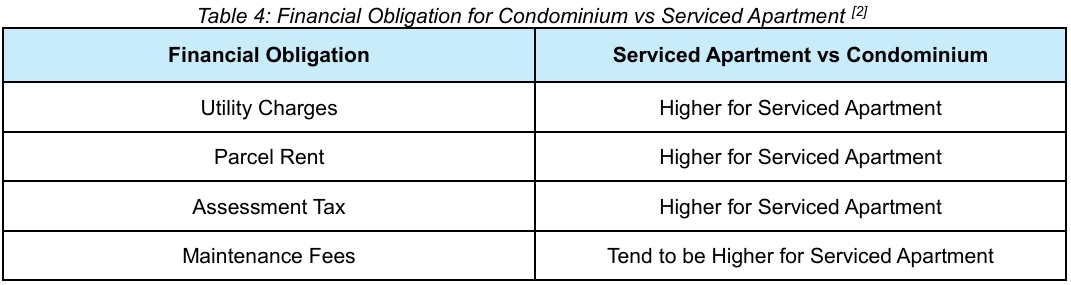
Since most serviced apartments fall under the category of commercial real estate, they are subject to commercial utility rates for services like electricity, water, and sewage, which tend to be significantly higher than residential rates. Additionally, as commercial properties, the population density in serviced apartments is determined by the plot ratio, meaning there may be a greater number of neighbours due to the total built-up area relative to the land size [2].
Utility Charges
Utility costs include charges for essential services that ensure a property functions properly, including water, electricity, sewage, and other things which often includes waste disposal and internet access.
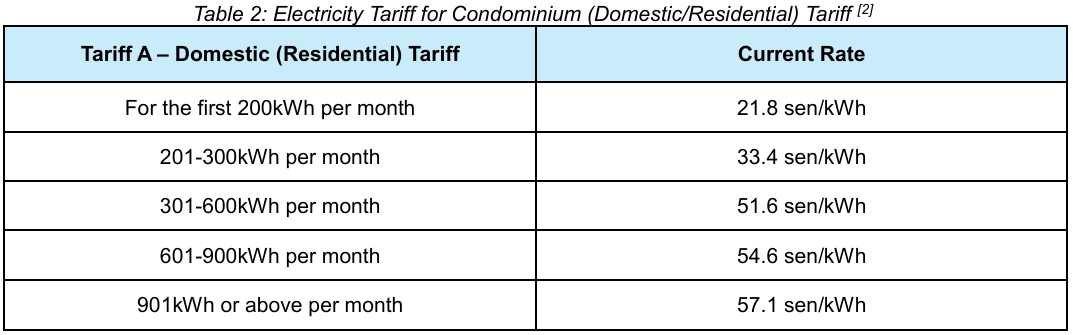

Generally, the assessment rate on stratified properties such as condominiums and serviced apartments, is 3.5% for condominiums, and 5% for serviced apartments, respectively, depending on the local authority.
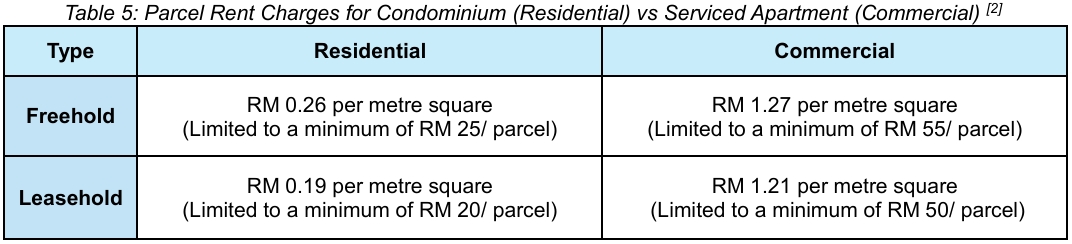
What is The Parcel Rent Charges Difference between Condominium and Serviced Apartment?
The table showcases the difference of parcel rent charges between condominium (residential) and serviced apartment (commercial):
The Assessment Tax is calculated based on the annual rental value of your property, typically ranging from 2% to 7%. This tax may vary depending on the size and classification of the property. Serviced apartments, which usually offer more amenities and conveniences compared to condominiums, tend to incur a slightly elevated Assessment Tax. Other than the Parcel Rent and Assessment Tax, there are no other differences in tax rates between serviced apartments and condominiums.
Typical Building Problems in High-Rise Living
Whether in condominiums or serviced apartments, residents commonly face issues such as water leakage from roofs or bathrooms, structural cracks requiring PU injection and grouting, and moisture ingress causing wall cracks or spalling concrete. Other frequent maintenance concerns include toilet waterproofing failures, balcony slab seepage, and structural integrity assessments through concrete scanning or coring tests.
Engaging a professional waterproofing specialist or building repair contractor ensures these problems are addressed using proper non-destructive testing (NDT) methods and long-term repair solutions.
Both Condominium Management Corporations (MCs) and serviced apartment management teams are responsible for maintaining the building structure, façade, and waterproofing systems. In many cases, they outsource maintenance and inspection works to qualified waterproofing contractors, roof repair specialists, and grouting professionals. These service providers conduct periodic building inspections, preventive waterproofing repairs, and structural tests such as coring and concrete scanning to maintain safety and prevent recurring leaks or structural issues.