Blog
Introduction
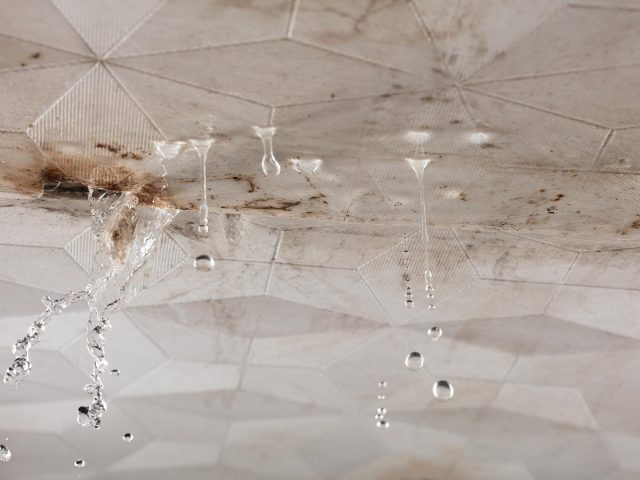
Waterproofing has always been a crucial component of both construction and building maintenance. Water intrusion can cause significant problems such as structural deterioration, mould growth, reduced indoor air quality, and even safety hazards if not addressed promptly. Among the many methods developed over the years to combat water leakage, polyurethane (PU) injection has gained widespread recognition as one of the most reliable solutions. This technique involves injecting liquid polyurethane resin directly into cracks, joints, or voids in concrete structures, where it reacts with water and expands to form a solid yet flexible barrier.
The method is particularly attractive because it does not require extensive demolition or excavation, which are often associated with traditional waterproofing repairs. Instead, PU injection offers a targeted solution, minimising disruption to occupants and ensuring cost-effectiveness [1]. With urbanisation and the growing need to maintain existing infrastructure, PU injection has become a preferred choice for engineers, contractors, and property managers alike.
APPLICATIONS OF PU INJECTION
PU injection is highly versatile and can be used in a wide range of settings, from residential basements and bathrooms to large-scale infrastructure projects such as bridges, dams, and tunnels. It is especially effective in areas where water seepage occurs under high pressure, making it an ideal method for underground facilities or structures exposed to groundwater. In fact, the adaptability of PU injection allows it to be applied to both small cracks and larger voids, ensuring comprehensive waterproofing coverage [2].
In Malaysia, where heavy rainfall and humid conditions often exacerbate leakage problems, PU injection has proven to be particularly beneficial. Contractors frequently employ the method for repairing leaks in retaining walls, lift pits, water tanks, and even swimming pools. The process typically involves drilling small holes into the affected structure, installing injection ports, and then using specialized pumps to inject the polyurethane resin. Once the resin comes into contact with water inside the crack, it rapidly expands and hardens, effectively sealing the passage [3]. This process ensures a durable, watertight barrier that prevents future seepage while allowing the structure to maintain its integrity.
ADVANTAGES AND PERFORMANCE
The growing popularity of PU injection lies in its clear advantages over more conventional waterproofing methods. One of its most notable strengths is its speed of application. Many waterproofing methods require excavation or reinstallation of waterproof membranes, which can be costly, time-consuming, and disruptive. By contrast, PU injection can often be completed in a matter of hours, even while the building remains occupied. This efficiency makes it an attractive option for both emergency leak repairs and long-term maintenance strategies.
Another key advantage is its durability and flexibility. Traditional rigid sealants or cement-based solutions may crack over time as buildings shift or expand due to thermal changes. PU resin, however, remains flexible after curing, allowing it to adapt to micro-movements within the concrete structure without losing its sealing capacity. This characteristic is vital in regions such as Southeast Asia, where fluctuating temperatures and frequent rainfall can accelerate wear and tear on buildings [4].
In addition, PU injection is highly resistant to chemical and biological degradation. Unlike some waterproofing materials that may break down due to exposure to salts, oils, or microbial growth, polyurethane resins are formulated to withstand harsh environmental conditions. This makes them suitable for use in industrial facilities, water treatment plants, and coastal structures, where chemical exposure is common. Ultimately, the performance of PU injection ensures not only immediate relief from leakage but also long-term protection of the structure.
MATERIAL FLEXIBILITY AND ADAPTABILITY
Another major factor that sets PU injection apart is the range of resin formulations available, which allows contractors to tailor the solution to the specific problem at hand. Fast-reacting foams are particularly effective for sealing active leaks where water is flowing under pressure. These foams expand rapidly upon contact with water, creating a tight seal almost instantly [5]. On the other hand, slower-reacting PU resins are useful for repairing dormant cracks or fine hairline fractures. These resins penetrate deeply before curing, ensuring that even the smallest voids are filled and reinforced.
The adaptability of PU injection extends beyond active leak repairs. It can also be used as a preventive measure in new construction projects. By proactively injecting PU resin into joints and potential weak points, contractors can reduce the likelihood of future seepage issues. In older buildings, PU injection serves as a practical rehabilitation method, restoring the waterproofing performance of aging structures without the need for costly reconstruction [6].
Furthermore, PU injection is compatible with a variety of building materials, including concrete, brickwork, and stone. This versatility broadens its scope of application, making it suitable not only for modern reinforced concrete structures but also for heritage or historical buildings that require non-invasive repair methods. This characteristic helps preserve architectural value while ensuring structural safety.
EXECUTION AND QUALITY CONSIDERATIONS
While PU injection is highly effective, the quality of execution plays a decisive role in determining its success. Skilled workmanship is essential because improper drilling, insufficient injection pressure, or the use of substandard resins can compromise the system’s performance. Contractors must first carry out a thorough inspection of the affected area to identify the root cause of the leakage, the extent of the damage, and the appropriate type of resin to use [7].
Leading industry suppliers typically choose high-quality polyurethane materials to ensure durability and consistent performance. Using certified products also minimises risks of chemical instability or shrinkage over time. In addition, professional application techniques, such as staged injection and pressure monitoring, further enhance long-term results.
It is also worth noting that PU injection requires specialised equipment. High-pressure pumps used must be capable of delivering precise pressure levels to ensure that the resin penetrates deeply into cracks and voids [8]. Contractors must also take safety precautions during the process, such as wearing personal protective equipment and be trained in handling reactive chemicals. Overall, the effectiveness of PU injection is not solely dependent on the material itself but also on the expertise and diligence of the professionals carrying out the work.
Conclusion
In conclusion, PU injection has become a trusted and widely adopted waterproofing method because of its efficiency, adaptability, and long-term reliability. Its ability to stop leaks quickly while accommodating structural movements makes it suitable for diverse applications, ranging from small residential repairs to large-scale infrastructure projects. By offering an alternative to invasive and costly waterproofing approaches, PU injection helps extend the service life of buildings, reduce maintenance costs, and enhance occupant safety.
As urban areas continue to expand and older buildings require ongoing maintenance, PU injection is expected to remain a cornerstone of modern waterproofing practices [9]. With proper application, high-quality materials, and skilled workmanship, this method provides a sustainable and practical solution for managing water ingress in both new and existing structures. Property owners, engineers, and contractors can all benefit from understanding and implementing PU injection as part of a comprehensive building maintenance strategy.
References
[1] 91SkylineWorks Pvt Ltd. (n.d.). Retrofitting. Retrieved on 23rd November 2024 from https://91skylineworks.com/retrofitting/
[2] SWC Construction. (n.d.). PU Injection Grouting Works Detailed Explanation. Retrieved on 23rd November 2024 from https://swcconstruction.com.sg/blogs/pu-injection-grouting-works-detailed-explanation/
[3] M3 Multiservices Pte Ltd (2021). 5 Things about PU Injection Grouting. Retrieved on 23rd November 2024 from https://www.m3m.com.sg/pu-injection-pu-grouting-pu-waterproofing/
[4] Othuman Mydin, M. A., Mohd Nawi, M. N., & Munaaim, M. A. (2017). Assessment of waterproofing failures in concrete buildings and structures. Malaysian Construction Research Journal, 2, 166–179. Retrieved on 23rd November 2024 from https://www.researchgate.net/publication/322920802_Assessment_of_waterproofing_failures_in_concrete_buildings_and_structures
[5] Dryproof (n.d.). PU Injection Repair. Retrieved on 23rd November 2024 from https://dryproof.com.sg/pu-injection-repair/
[6] Building Doctor (2022). Polyurethane Injection (PU Injection). Retrieved on 23rd November 2024 from https://buildingrepair.my/polyurethane-injection-pu-injection/
[7] Building Doctor (2021). Polyurethane Injection as Waterproofing Solution. Retrieved on 23rd November 2024 from https://buildingrepair.my/polyurethane-injection-as-waterproofing-solution/
[8] SealBoss. (n.d.). Crack Injection Pressure. Retrieved on 23rd November 2024 from https://sealboss.com/crack-injection-pressure/
[9] Harris, J. (2023). Mastering Polyurethane Injection: A Deep Dive into Techniques and Methods. Superior Grouting. Retrieved on 23rd November 2024 from https://www.superiorgrouting.com/blog/mastering-polyurethane-injection-a-deep-dive-into-techniques-and-methods/
Categories
Archives
- December 2025
- November 2025
- October 2025
- September 2025
- August 2025
- July 2025
- June 2025
- May 2025
- April 2025
- March 2025
- February 2025
- January 2025
- December 2024
- November 2024
- October 2024
- September 2024
- August 2024
- July 2024
- June 2024
- May 2024
- April 2024
- March 2024
- February 2024
- January 2024
- December 2023
- November 2023
- October 2023
- September 2023
- August 2023
- July 2023
- June 2023
- May 2023
- April 2023
- March 2023
- February 2023
- January 2023
- December 2022
- November 2022
- October 2022
- September 2022
- August 2022
- July 2022
- June 2022
- May 2022
- April 2022
- March 2022
- February 2022
- January 2022
- December 2021
- November 2021
- October 2021
- September 2021
- August 2021
- July 2021
- June 2021
- May 2021
- April 2021
- March 2021
- February 2021
- January 2021
- December 2020
- November 2020
- October 2020
- September 2020
- August 2020
- July 2020
- June 2020