Blog
Introduction
Purchasing a new house is certainly a happy and exciting experience for the homeowner. Certainly, for most people in Malaysia, it needs a lot of time and money to acquire a new house, whether it is a landed or a high-rise property. However, life is not all sunshine and rainbows. New houses may consist of some defects and damages after the CCC stage. Hence, each owner needs to know several facts and procedures of a home inspection before finally occupying their new house.
Under the Housing Development (Control and Licensing) Act 1966 (Act 118) [1], all new house in Malaysia is under the 24-month Defect Liability Period (DLP), which is a warranty that ensures any defects in the property will certainly be rectified by the developer at free-of-charge. Thus, once the DLP is ended, it surely becomes a hassle for the owner to rectify any damages they are having on their house as they need to spend their own time and a large amount of money to rectify it himself, depending on the severance of the defects.
A home inspection is the process of inspecting a new property to find any flaws or defective workmanship on the structure, utilities, grounds, and rooms of the property so that the developer could repair them at no additional expense to the owner. A home inspection can be done thoroughly by appointing a professional home inspector. Certainly, the cost of the appointment is bear by the owner, however a throughout home inspection will ensure the property is well inspected and guaranteed the safe occupying period. On the other note, it should not be limited to the professional as the owner himself may do the inspection too.
According to the Quality Guidebook for Homeowners (2014) [2] by CIDB Malaysia, an owner may follow the standards of CIS 7 with the aid of the QLASSIC tool which stands for Quality Assessment System for Building Construction Works. CIDB has prepared a list of equipment that owners need to prepare before conducting the QLASSIC.
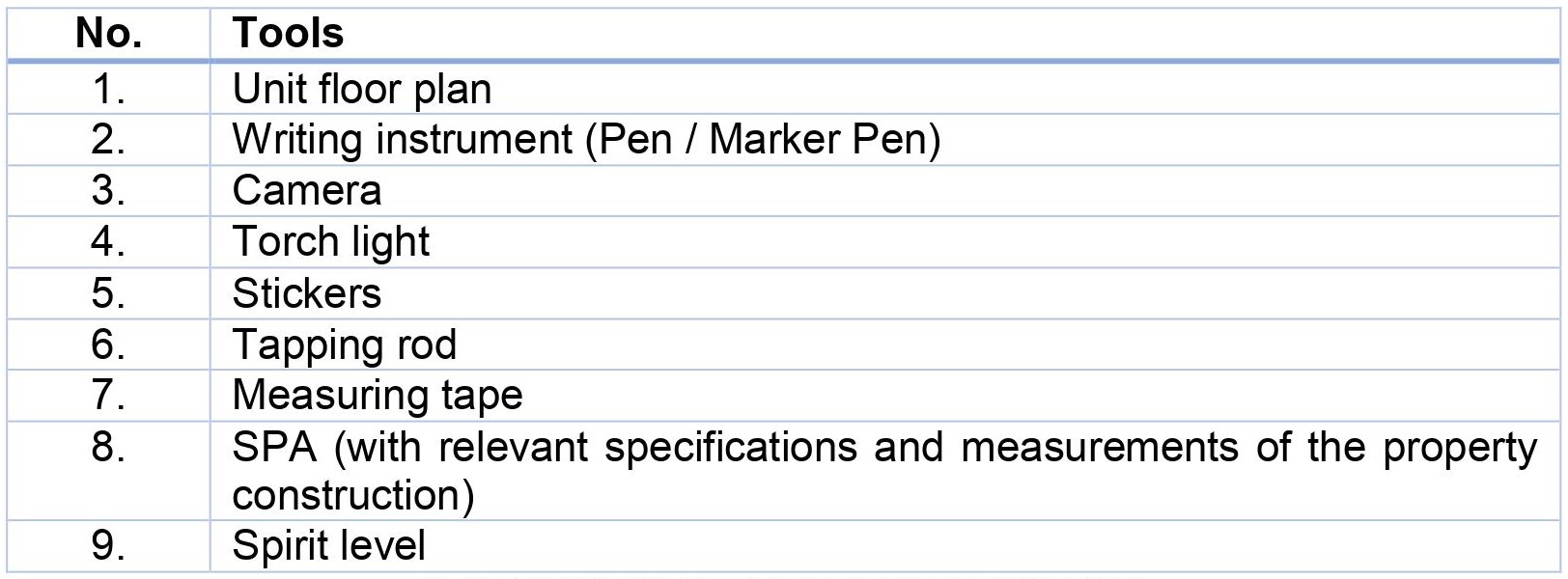
Table 1: Tools for QLASSIC Inspection
Source: Quality Guidebook for Homeowners, CIDB (2014)
Interior Inspection
As proposed by QLASSIC guidebook, owners who want to inspect their house by themselves should follow the assessment method 6+1 and quick assessment checklist to check the quality of interior finishes of the property.
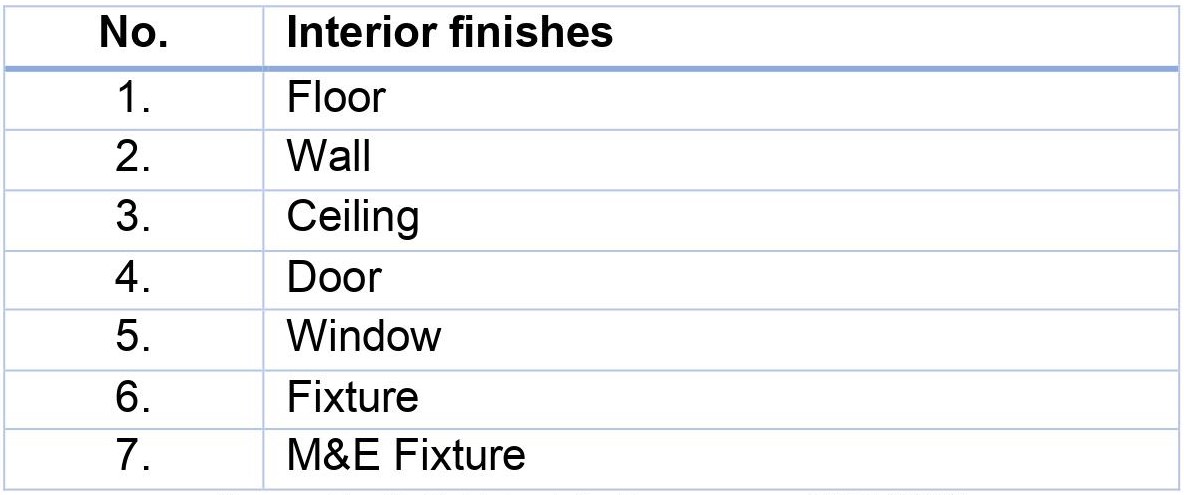
Table 2: Assessment Method 6+1 for Interior Finishes
Source: Quality Guidebook for Homeowners, CIDB (2014)
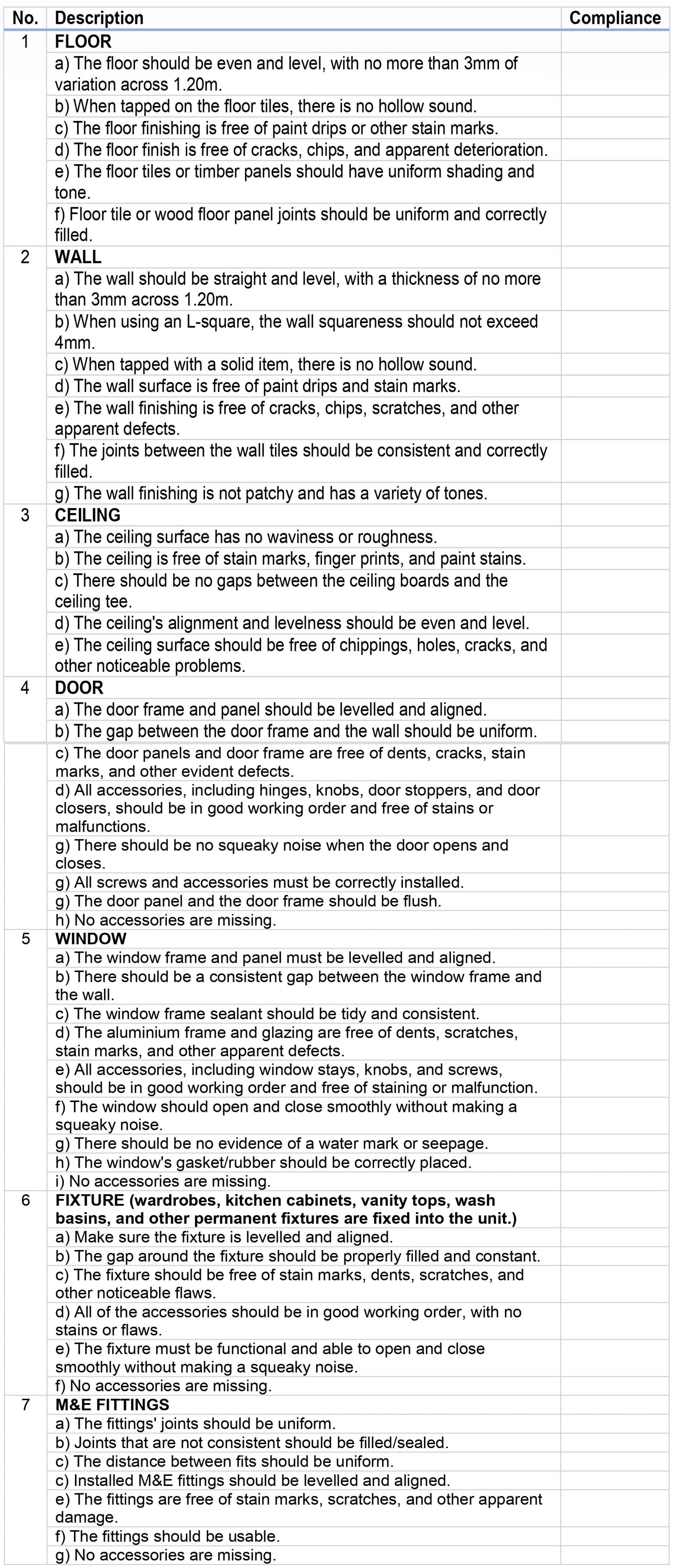
Table 3: Quick Assessment Checklist from QLASSIC tool
Source: Quality Guidebook for Homeowners, CIDB (2014)
Exterior Inspection
For exterior inspection of the property, it is already adequate for the owners to conduct the inspection visually as advised by the QLASSIC guidebook.
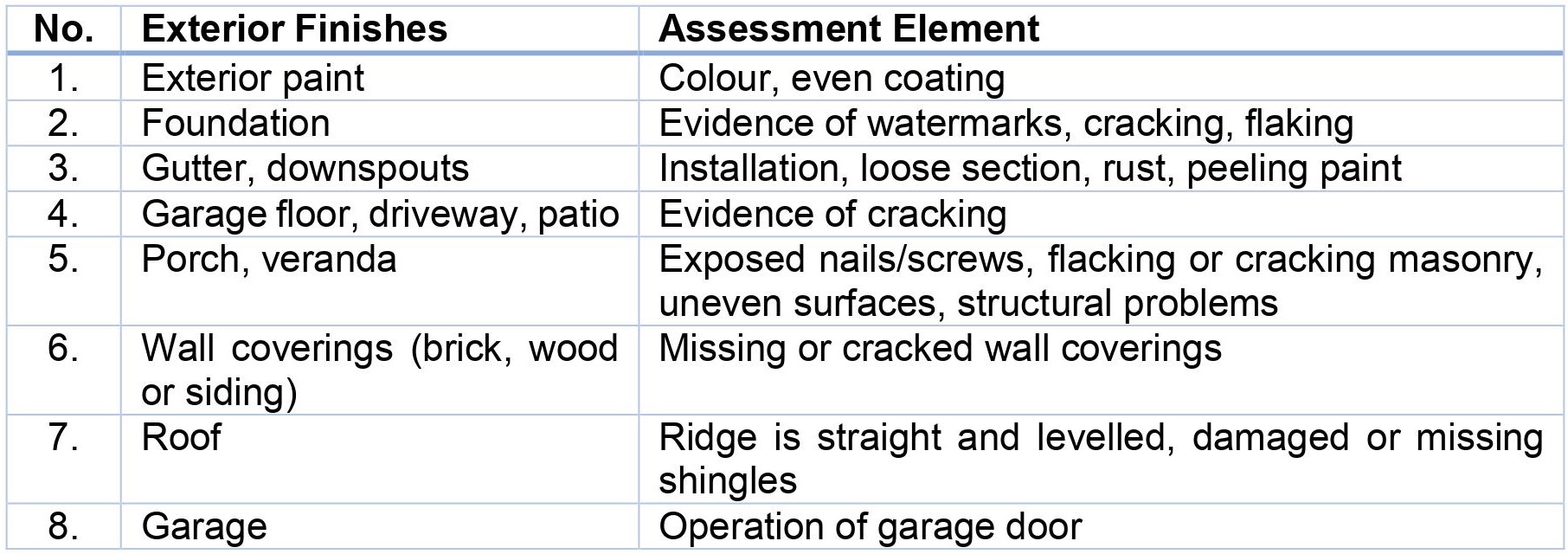
Table 4: Assessment Elements for Exterior Finishes
Source: Quality Guidebook for Homeowners, CIDB (2014)
Actions After Inspection
Upon inspection, the owner may encounter several defects, whether minor or major, on their property. Owner shall make a list of all the discovered defects and present it to the developer, along with a formal request to rectify and make good on the defects.
If the developer fails to make good on the defects within 30 days of receiving the owner’s notice, the owner has the right to carry out the rectification works himself or appoint his own contractor to do so after granting the developer another 30 day notice (‘Written Notice’) notifying them of the owner’s intention to make good on the defects on his own and the costs of doing so.
Following that, the owner must swiftly rectify the defects and is entitled to reimbursement from the stakeholder who holds the final 5% retention sum of the sale and purchase price. A retention sum is a sum retained that normally parked with a law firm as stakeholders where the sum is held as stakeholders to ensure that the developer carries out the defects liability work. Owners are recommended to send notice to the stakeholder to withhold any part of the retained payments upon pending completion of the rectification works within the specified time frame.
If the developer and/or stakeholder refuse to repay the rectification costs, the buyers may pursue legal action with the Tribunal for Homebuyer Claims (the “Tribunal”) to reclaim the costs. The Tribunal has the right to grant awards of up to RM50, 000. Inability to implement the Tribunal’s decision is a violation of Section 16AD of the Housing Development (Control & Licensing) Act 1966 (2007) [1].
In conclusion, it is crucial to conduct a home inspection as soon as during the Vacant Possession period as any defects detected and rectified during the early stage will surely benefit the owners in the long run. Delaying a home inspection will almost absolutely prolong the severity of the defects and hence multiplying the time and money expenses to repair it.
References
[1] National House Buyer Association of Malaysia (HBA). Housing Development (Control and Licensing) Act 1966 (2007). Retrieved on 23rd July 2021 from https://www.hba.org.my/laws/hda/2007/ACT118(2007).htm
[2] Construction Industry Development Board Malaysia. Quality Guidebook for Homeowners (2014). Retrieved on 23rd July 2021 from https://pdfcoffee.com/quality-guide-for-homeownerspdf-pdf-free.html
Categories
Archives
- December 2025
- November 2025
- October 2025
- September 2025
- August 2025
- July 2025
- June 2025
- May 2025
- April 2025
- March 2025
- February 2025
- January 2025
- December 2024
- November 2024
- October 2024
- September 2024
- August 2024
- July 2024
- June 2024
- May 2024
- April 2024
- March 2024
- February 2024
- January 2024
- December 2023
- November 2023
- October 2023
- September 2023
- August 2023
- July 2023
- June 2023
- May 2023
- April 2023
- March 2023
- February 2023
- January 2023
- December 2022
- November 2022
- October 2022
- September 2022
- August 2022
- July 2022
- June 2022
- May 2022
- April 2022
- March 2022
- February 2022
- January 2022
- December 2021
- November 2021
- October 2021
- September 2021
- August 2021
- July 2021
- June 2021
- May 2021
- April 2021
- March 2021
- February 2021
- January 2021
- December 2020
- November 2020
- October 2020
- September 2020
- August 2020
- July 2020
- June 2020